
Introduction
Biophilic design has become a defining feature of contemporary interiors, reflecting a growing desire to reconnect with nature in the spaces where we work, shop, and relax. Greenery has been proven to enhance mood, reduce stress, and improve how people experience an environment. However, maintaining real plants indoors isn’t always practical.
This is where artificial living walls come into their own. Offering the visual and psychological benefits of greenery without the challenges of upkeep, artificial living walls are increasingly being chosen for offices, hospitality venues, retail environments, and even residential spaces. This article explores why they’ve become such a popular design solution and how they can be used effectively.
What Is an Artificial Living Wall?
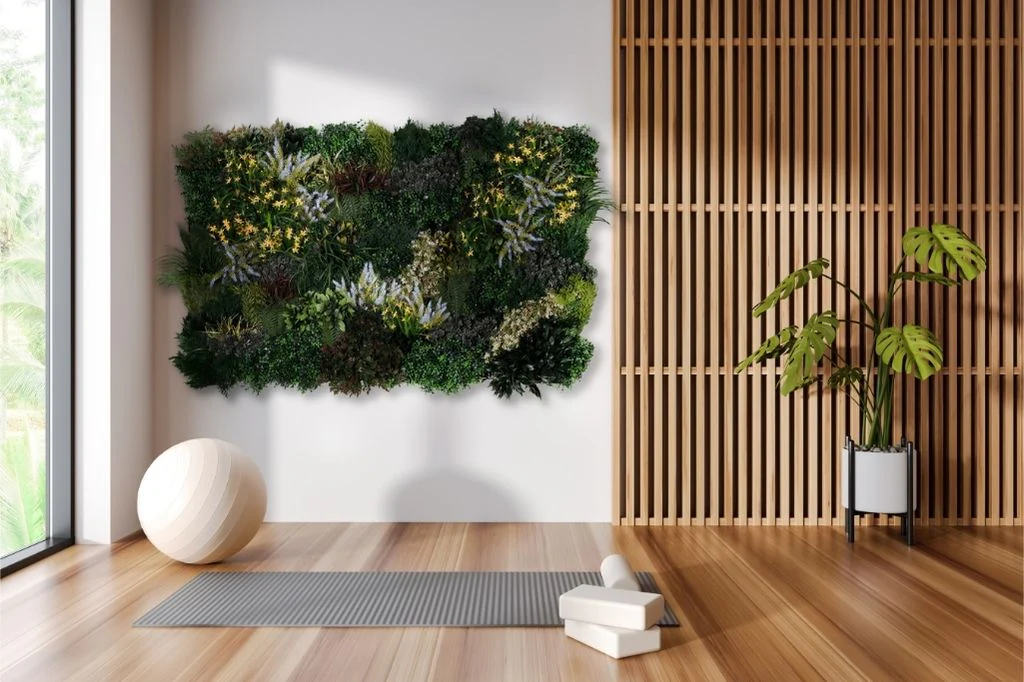
An artificial living wall is a vertical installation made up of realistic, high-quality foliage designed to replicate the look and depth of real plants. Unlike traditional living walls, these systems don’t require watering, specialist lighting, or ongoing horticultural care.
Modern designs focus on realism, texture, and variation, ensuring the finished result feels organic rather than decorative. When done well, an artificial wall can be almost indistinguishable from a living one at first glance.
Key Benefits of Artificial Living Walls
Minimal Maintenance, Maximum Impact
One of the biggest advantages of artificial living walls is their low maintenance. There’s no need for irrigation systems, pruning schedules, or replacement plants. This makes them ideal for busy commercial environments or spaces without access to natural light.
Once installed, the wall maintains its appearance year-round, offering consistent visual impact with minimal effort.
Flexible Placement Options
Because they don’t rely on sunlight or water, artificial living walls can be installed virtually anywhere. From windowless corridors and underground spaces to high-traffic public areas, they provide design freedom that living walls simply can’t match.
This flexibility allows designers to introduce greenery in unexpected places, creating memorable interiors without structural limitations.
Long-Term Cost Efficiency
While the initial investment may be comparable to a living wall, artificial systems often prove more cost-effective over time. Without ongoing maintenance, replacement plants, or specialist care, long-term costs are significantly reduced.
For businesses, this makes artificial walls a reliable, budget-conscious solution that still delivers a premium aesthetic.
Enhancing Wellbeing and Experience
Creating Calm, Inviting Spaces
Studies consistently show that exposure to greenery can reduce stress and improve wellbeing. Artificial living walls help achieve this effect by introducing natural forms, colours, and textures into interior environments.
In offices, this can support focus and employee satisfaction. In hospitality settings, greenery helps guests feel more relaxed and welcome. Retail spaces benefit too, as pleasant environments encourage customers to stay longer.
Strengthening Brand Perception
Design communicates values instantly. A thoughtfully designed green wall can signal sustainability, quality, and attention to detail. For customer-facing environments, this contributes to stronger brand perception and more positive first impressions.
Many designers and architects turn to specialist providers of Artificial living wall solutions to ensure their installations deliver both visual impact and long-term reliability.
Where Artificial Living Walls Work Best
Offices and Workspaces
In modern offices, artificial living walls are often used in reception areas, meeting rooms, and breakout spaces. They soften hard surfaces, improve acoustics, and help create environments that feel less clinical and more human.
They’re also effective as zoning elements, subtly dividing spaces without the need for permanent walls.
Hospitality and Leisure Venues
Hotels, restaurants, gyms, and spas use artificial living walls to create immersive, high-end atmospheres. Greenery enhances the guest experience and often becomes a standout design feature that’s photographed and shared online.
Retail and Public Environments
Retailers use green walls to draw attention, reinforce brand identity, and create distinctive store interiors. In public spaces such as airports or healthcare facilities, artificial living walls help reduce stress and improve overall ambience.
Design Considerations for the Best Results
Quality and Realism Matter
Not all artificial foliage is created equal. High-quality materials with realistic colour variation and depth are essential for achieving a natural look. Poor-quality products can appear flat or obviously artificial, undermining the design.
Scale and Proportion
The size of the wall should suit the space. Large feature walls work well in open areas, while smaller installations can add interest to corridors or alcoves. Proper planning ensures the wall enhances the space rather than overwhelming it.
Installation and Longevity
Professional installation ensures the wall is secure, seamless, and visually balanced. UV-stable materials are also important, particularly in spaces exposed to natural light, to prevent fading over time.
Frequently Asked Questions
Do artificial living walls look realistic?
High-quality systems are designed to closely mimic real plants, with detailed textures and natural colour variation that make them highly convincing.
Are artificial living walls environmentally friendly?
While they aren’t living plants, artificial walls can be a sustainable choice due to their longevity, reusability, and lack of water or chemical use.
How long do artificial living walls last?
With quality materials and proper installation, artificial living walls can maintain their appearance for many years.
Can they be customised?
Yes, artificial living walls can be tailored in size, layout, and foliage style to suit specific design and branding needs.
Conclusion
Artificial living walls offer a practical, visually striking way to bring the essence of nature into modern interiors. By combining low maintenance with high design impact, they provide a flexible solution for a wide range of environments.
When thoughtfully designed and expertly installed, artificial living walls don’t just decorate a space—they transform it, creating environments that feel calmer, more engaging, and more memorable for everyone who uses them.