

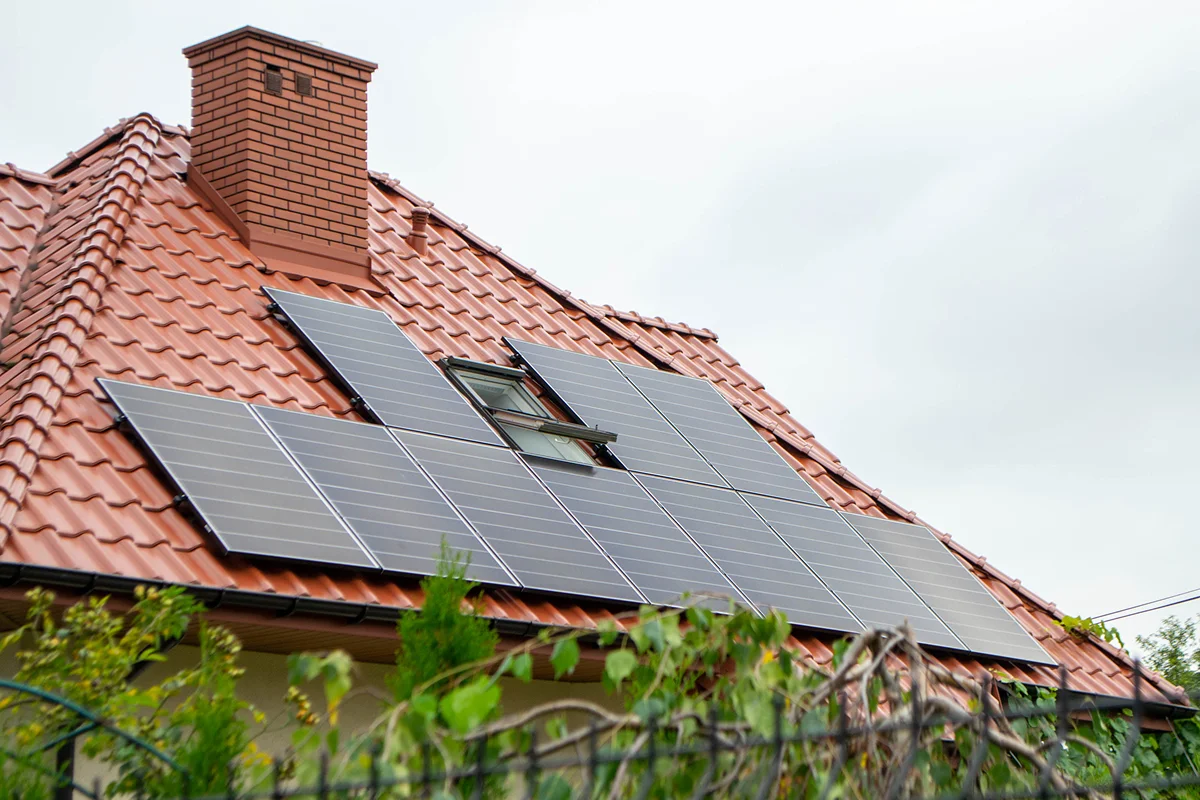
Edinburgh homeowners are increasingly recognising that solar panels alone don’t tell the complete energy independence story. Whilst photovoltaic systems generate clean electricity during daylight hours, much of this power is produced when household demand is lowest. Solar battery storage solves this challenge by capturing excess energy for use during evenings and peak consumption periods, transforming how Scottish households manage their electricity needs.
As energy costs continue rising and grid reliability becomes more unpredictable, battery storage systems offer Edinburgh residents a practical pathway to greater self-sufficiency. Understanding how these technologies work and their benefits can help you make an informed decision about enhancing your renewable energy setup.
How Solar Battery Storage Works
Solar battery storage systems are elegantly straightforward. During daylight hours, your solar panels generate electricity that powers your home’s immediate needs. Rather than exporting surplus energy back to the grid for modest compensation, a battery system stores this excess power for later use.
When the sun sets or during periods of high electricity demand, your home draws power from the battery rather than the grid. This maximises the value of every kilowatt-hour your panels produce, dramatically reducing reliance on expensive grid electricity during peak tariff periods.
Modern lithium-ion batteries are compact, efficient, and designed for thousands of charge cycles, making them suitable for decades of reliable service in Edinburgh’s climate.
Key Benefits for Edinburgh Homeowners
Energy Independence
Battery storage provides substantial autonomy from grid fluctuations and price volatility. Edinburgh experiences typical Scottish weather patterns, meaning solar generation varies seasonally. A properly sized battery system ensures you utilise your self-generated power optimally throughout the year, regardless of when it’s produced.
Cost Savings
The financial case for battery storage strengthens continuously. By storing solar energy instead of exporting it at low rates (typically 4-15p per kWh), then using that stored power instead of purchasing grid electricity at higher rates (often 25-35p per kWh), the arbitrage creates meaningful savings. Many Edinburgh households reduce their electricity bills by 60-80% when combining solar panels with battery storage.
Grid Resilience
Whilst power cuts remain relatively rare in Edinburgh, battery systems with backup capabilities provide peace of mind. Essential circuits can remain powered during outages, protecting food storage, heating controls, and communication devices.
Environmental Impact
Maximising self-consumption of solar energy reduces your carbon footprint significantly. Every kilowatt-hour stored and used locally is one less drawn from Scotland’s grid, which still includes fossil fuel generation during certain periods.
Choosing the Right Battery System
Capacity Considerations
Battery capacity, measured in kilowatt-hours (kWh), should align with your household’s evening and morning consumption patterns. A typical Edinburgh home uses 8-12 kWh daily, with roughly 60-70% consumed outside solar generation hours. Most installations feature batteries ranging from 5-15 kWh capacity.
Integration Options
Batteries can be retrofitted to existing solar installations or integrated into new systems. AC-coupled batteries offer flexibility for existing setups, whilst DC-coupled systems provide slightly better efficiency for new installations.
Smart Features
Contemporary battery systems include intelligent management software that learns your consumption patterns, weather forecasts, and tariff structures to optimise charging and discharging schedules automatically. Some systems can even participate in grid services programmes, generating additional income.
For Edinburgh residents exploring battery solutions, Solar battery storage Edinburgh specialists can assess your property’s specific requirements and recommend appropriately sized systems based on your energy profile and future needs.
Installation and Maintenance
Professional installation typically requires one to two days, depending on system complexity and integration requirements. Batteries are usually mounted in garages, utility rooms, or external weatherproof enclosures, requiring minimal space—most units are roughly the size of a small wall-mounted boiler.
Maintenance requirements are remarkably low. Unlike older battery technologies, modern lithium systems don’t require regular servicing beyond occasional software updates and visual inspections. Manufacturers typically provide warranties of 10-15 years, with expected operational lifespans exceeding 20 years.
Frequently Asked Questions
What size battery do I need for my Edinburgh home?
Most Edinburgh households benefit from 8-12 kWh storage capacity, sufficient to power essential loads through the night. Your specific requirements depend on household size, consumption patterns, and solar panel output. Professional assessments ensure optimal sizing.
Can I add battery storage to my existing solar panels?
Absolutely. Retrofit installations are straightforward with AC-coupled battery systems, which work with any existing solar setup regardless of age or manufacturer. This flexibility means you needn’t replace functioning panels to add storage.
How long does a solar battery last?
Quality lithium-ion batteries typically retain 70-80% capacity after 6,000-10,000 charge cycles. With daily cycling, this translates to 15-25 years of practical use, often outlasting the warranty period considerably.
Are solar batteries worth it in Scotland’s climate?
Despite Scotland’s reputation for limited sunshine, modern solar technology performs well in diffuse light conditions. Battery storage maximises the value of whatever energy your panels produce, making the investment economically sound even with Edinburgh’s weather patterns.
What happens during a power cut?
Standard grid-tied batteries don’t provide backup power during outages for safety reasons. However, systems with backup functionality can isolate from the grid and power designated circuits, maintaining essential services during disruptions.
Conclusion
Solar battery storage represents the natural evolution of renewable energy adoption for Edinburgh homeowners. By capturing and storing solar generation for use during peak demand periods, these systems maximise both financial returns and energy independence. With improving technology, decreasing costs, and rising grid electricity prices, the case for battery storage strengthens continuously. Whether retrofitting an existing solar installation or planning a complete renewable energy system, battery storage transforms solar panels from a useful addition into a comprehensive energy solution that serves your household’s needs around the clock.