

A big renovation can feel like a financial tug of war. You want the updated kitchen or the sturdier roof, but the thought of watching your savings account shrink to pay for it is enough to make anyone hesitate. The good news is that emptying your rainy-day fund is rarely the only path forward.
For many homeowners, the smartest source of renovation money is the house itself. Over years of mortgage payments and rising property values, most homes quietly build equity, and that equity can be put to work without touching the cash you have set aside for emergencies.
Understanding Home Equity
Equity is simply the share of your home that you truly own, the difference between what your property is worth and what you still owe on it. As you pay down your mortgage and as local values climb, that share grows.
Lenders let you borrow against this value, usually through a home equity loan or a home equity line of credit. A loan hands you a set amount all at once, while a line of credit works more like a flexible reserve you draw from as a project unfolds. Both use your home as collateral, which is why they tend to carry lower rates than credit cards or unsecured personal loans.
That lower cost is the heart of their appeal. When the money you borrow is cheaper, more of your budget goes toward the work itself rather than toward interest.
Comparing Your Financing Options
Not every project calls for the same tool. A single, well-defined job with a firm price often suits a lump-sum home equity loan, since you know exactly how much you need and can lock in steady payments.
A line of credit shines when the scope is less certain. Phased work, staggered contractor bills, evolving design choices, and surprise costs that surface mid-project all fit the draw-as-you-go rhythm of a credit line, and you pay interest only on what you actually use.
This is where the lender you choose matters. A trusted, member-focused institution such as Credit Union of Denver can walk you through the trade-offs, explain the terms in plain language, compare the likely costs, and help you match the product to your plan. Honest answers make the whole process far less stressful.
Before you commit, compare rates, repayment terms, fees, and how each option would sit within your monthly budget.
Choosing Projects That Add Value
Financing a renovation is easier to justify when the work gives something back. Reinvesting in your property is one of the few kinds of spending that can raise the long-term market value of the home you already own.
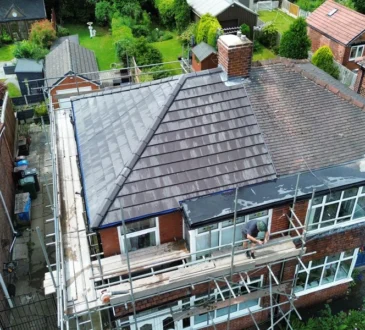
Some improvements tend to return more than others. A dream kitchen, an updated bathroom, a new roof, or a smarter energy system often appeals strongly to future buyers while making daily life more comfortable in the meantime. Repairs that protect the structure, from the roof down to the foundation, also guard the value you have already built.
Think of these projects as an investment rather than an expense. Money spent on lasting, well-chosen upgrades can follow you forward in the form of a higher appraisal and a more appealing home when the time comes to sell.
Borrowing Without Overextending
Even the most cost-effective financing deserves a clear head. Because your home secures the loan, it is wise to borrow only what your budget can comfortably repay while building a small cushion for the overruns that renovations so often bring.
Start with a realistic estimate, add a margin for surprises, keep some room in your monthly budget, and resist the urge to expand the project simply because the funds are available. A written budget keeps ambition and affordability in balance.
It also helps to speak with a financial professional about your particular situation, since the right amount to borrow depends on your income, your goals, your timeline, and your comfort with debt.
Handled thoughtfully, home equity lets you transform the place you live in without unraveling the security you have worked to build. The house helps pay for its own improvement while your savings stay where they belong, and the outcome is a home that is both better to live in and worth more over time.