

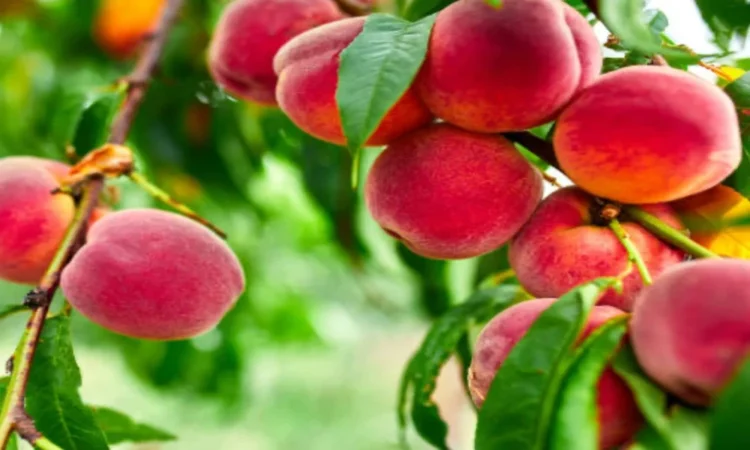
The place for a nectarine is somewhere you will visit often. On a British patio, that might be beside the door used every morning; under glass, it might be within easy reach of the watering can. The fruit is the attraction, of course, but choosing a nectarine tree supplier also means choosing the plant around which those small daily jobs will develop.
Lord Napier is widely offered in Britain, so several suppliers below sell the same white-fleshed variety. That makes the comparison rather practical. A one-year maiden to train, a containerised tree and a seasonal nursery order can lead to very different first years in the garden. Snow Queen adds a separate dessert choice for anyone happy to wait for its return to stock.
Which offers belong on the shortlist
This selection follows the work the gardener intends to take on. CRJ Fruit Trees begins with Lord Napier on St Julien, suitable for a favourable garden position or subsequent training. Pomona makes the young fan-starter purchase particularly specific. Blackmoor supplies a dormant-season nursery route, followed by Lord Napier options from Ornamental Trees and Victoriana. Southern’s Snow Queen completes the comparison through its described eating qualities and August picking period, with its stock limitation stated openly. These are published offers interpreted with RHS growing guidance, without a claim to comparative growing trials. The actual plant and delivery address determine availability and carriage.
Nectarines are smooth-skinned peaches. Early flowers need protection from difficult spring weather even where the wood survives winter well. A sunny, sheltered position makes the project more promising, and the layout should leave room to tend the blossom and branches. Those growing requirements apply across the shortlist; no change of supplier can remove them.
Best 6 Nectarine Tree Suppliers for British Gardens
1. CRJ Fruit Trees
Lord Napier on St Julien is a straightforward option for gardeners in Britain preparing to buy fruit trees for a warm, sheltered part of the garden. Its pale flesh provides the familiar white nectarine choice, with the roots and future framework needing a proper share of the available space.
Think of two workable homes for it. In an open bed, the crown can be developed where there is room to stand beside the tree and reach the fruit. Against a suitable wall, shoots can be selected and trained into a fan. The nursery discusses that training route for its peach and nectarine material. The purchase begins the framework; the gardener carries it forward over successive growing seasons.
A container brings the tree closer to everyday attention. It also makes that attention important: water and nutrients have to be supplied within a restricted root volume. A large, stable container beside a regularly used door can be a practical arrangement for someone who enjoys tending a fruit tree closely. The same plan becomes less convenient if summer watering has to depend on occasional visits to the far end of the garden.
Lord Napier earns its place here because the named variety and St Julien starting material let the growing arrangement be decided before ordering. Choose the open-bed or training project first, then obtain the corresponding young plant and prepare its place. That is a more useful purchase than expecting a sunny corner to reveal its dimensions only after the branches have filled it.
2. Pomona Fruits
Pomona is particularly clear about beginning a fan. Its Lord Napier is a one-year maiden on Montclair, supplied bare-root at approximately 120-150cm. The product advice explicitly recommends a one-year tree for fan training.
For a new wall planting, that early stage leaves the branch choices available. The first useful shoots will be encouraged where the support can accommodate them, and their position will influence the shape for years. The tree’s initially modest appearance belongs to that process. Buying a maiden makes sense when selecting and guiding those shoots is part of the gardening that appeals.
Montclair supplies another point of comparison with CRJ’s St Julien offer. Keep the rootstock name beside the cultivar when discussing the site with the nursery, because delivered height provides only a snapshot of the young plant. The prepared bed, the warmth of the wall and the intended span of branches are the details that make the discussion productive. Pomona’s specified age and explicit training recommendation give this purchase a clear purpose: building the fan in its permanent place from an early stage.
3. Blackmoor Nurseries
Blackmoor’s Lord Napier is a nursery option for a gardener organising a dormant-season planting. Its nectarine listing describes bare-root delivery between November and April, with mainland supply and collection arrangements available through the nursery.
A winter delivery can work well where the sheltered bed is ready and someone can deal with the roots promptly. The tree arrives during dormancy, so the preparations concern planting conditions, protection from drying and the support it will need as growth starts. Establish the selected age and form as part of that order. Pomona’s offer above names a maiden specifically for fan creation; a Blackmoor purchase should similarly identify the plant intended for the chosen growing arrangement.
This route also suits someone who prefers collecting a fruit-nursery order and bringing the nectarine home with other selected trees. It is the practical advantage to investigate once Lord Napier and the planting place have been settled. Coordinate the readiness of the plants in a mixed order before fixing the day for planting, and keep the young nectarine’s roots protected while the garden is prepared for it.
4. Ornamental Trees
Lord Napier at Ornamental Trees is offered on St Julien A, with the product advice favouring a sunny south- or west-facing position. For a wider garden project, the retailer provides a way to include the nectarine alongside ornamental trees being considered for other parts of the plot.
The useful comparison with another Lord Napier is the actual plant supplied. A garden already laid out around a path or seating area may need a different early framework from a new bed against an empty wall. Discuss the available size and form in relation to that arrangement. St Julien A should be retained in the specification throughout, so a change of product variant remains visible when comparing the order.
Access deserves attention here. A nectarine beside seating needs space for the person watering and pruning as well as for the person enjoying the patio. The sunny face that improves the growing opportunity can also be the most heavily used part of the garden. Leave the route around the container or crown workable, and include postcode-dependent carriage when assessing the retailer’s mainland delivery. This is a buying route for an integrated garden planting, with the nectarine’s own space agreed alongside the surrounding scheme.
5. Victoriana Nursery Gardens
Victoriana’s containerised Lord Napier is on St Julien A and pruned to roughly 90-120cm including the pot. That describes a relatively modest plant at purchase, with its roots held in compost while it is moved and established.
The reviewed listing was unavailable to buy and indicated an approximate late-November return. The reason to keep it in consideration is this particular potted start. For someone intending to plant a free-standing nectarine in a prepared sheltered bed, it offers another handling arrangement to compare with bare-root material. A household able to wait can plan around the nursery’s returning season, with the exact plant confirmed before making delivery arrangements.
A pot also gives some flexibility if ground preparation runs late, provided watering and suitable protection continue. It still needs a planned destination. Keeping a tree in its delivery container indefinitely would turn a temporary holding arrangement into an increasingly demanding growing problem. Anyone intending a fan should ask about the available young branching, since pruning for dispatch and the selection of low fan arms are different jobs. For the sheltered-bed buyer, the main attraction remains a named nectarine with a contained root system ready to establish when the plant becomes available.
6. Southern Fruit Trees
Snow Queen puts the fruit back at the centre of the decision. Southern describes it as a particularly sweet, juicy dessert nectarine, gives August as the picking period and identifies it as self-fertile. These are the nursery’s descriptions, rather than the result of a tasting carried out for this guide.
That combination makes it worth investigating for a household whose main ambition is soft summer fruit to eat fresh. It supplies a positive reason to compare cultivars instead of continuing to browse different Lord Napier plants indefinitely. A gardener already happy with Lord Napier’s fruit and growing plan may have little reason to change; someone specifically drawn to Southern’s description of Snow Queen can ask about that selection for the next planting season.
Snow Queen was sold out at the check. Its next supplied form and rootstock need establishing with the nursery, whose wider specialism in trained fruit does not identify the returning nectarine variant. The waiting decision should therefore include both questions: is Snow Queen the fruit wanted, and can it be obtained in the form needed for this garden? Keep it as a cultivar-led seasonal enquiry until both are answered. A fixed installation date favours a supplier able to confirm the intended plant and dispatch window.
Make the daily jobs easy
Stand in the intended growing place and consider the work at arm’s length. A fan requires access along its width for tying, pruning and picking. Under cover, flowers may need help with pollination when insects cannot reach them. A container needs a dependable water supply through the growing season. Each job is easier when the path and support have been planned around it.
Nectarines fruit largely on the previous year’s shoots. Their continuing training therefore includes renewal of young fruiting wood, with pruning timed for the species. RHS guidance places the relevant work in spring and after fruiting in summer. Keep that nectarine-specific routine with the plant’s label and supplier instructions.
The nursery choice then becomes a manageable one: Lord Napier in the supplied stage that suits the garden, or a Snow Queen enquiry motivated by the fruit itself. A good nectarine purchase should make the first year understandable and the later care easy to reach. That is how a promising sheltered corner becomes somewhere worth visiting when the fruit begins to colour.
Source note: Supplier nectarine listings establish the named plants, rootstocks, stages and seasonal limitations. Southern’s Snow Queen description supports the attributed fruit qualities and picking period; RHS guidance informs protection, pollination under cover and nectarine training.