

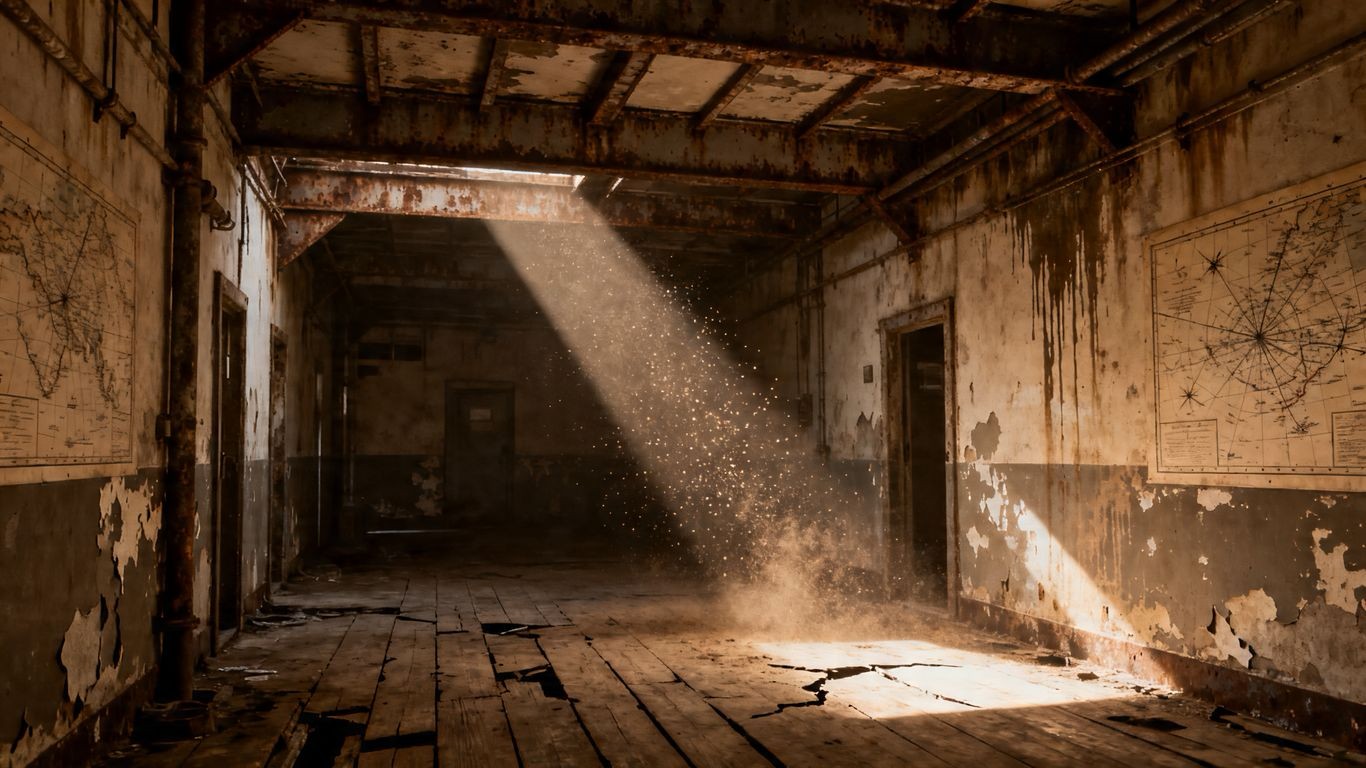
Ubiquitous Use of Asbestos in Naval Construction
For decades, asbestos was a go-to material in building naval structures, including barracks. Its fire-resistant and insulating properties made it seem like a perfect fit for military applications. Think about it: ships and buildings needed to withstand harsh conditions and potential fires, and asbestos seemed to offer a solution. This widespread adoption meant that asbestos was integrated into countless components, from insulation around pipes and boilers to fireproofing materials on bulkheads and decks. The material was so common that it was practically built into the fabric of naval life. This extensive use, however, laid the groundwork for future health issues for those who served. The military, like many industries at the time, relied on manufacturers who often downplayed or outright hid the dangers associated with asbestos products. This meant service members were unknowingly exposed to hazardous fibers during construction and maintenance. The use of prefabricated units for advance bases during wartime also meant asbestos was a common feature in temporary housing [47b2].
Confined Spaces: Amplifying Exposure Risks
Naval barracks, much like the ships they were often associated with, presented unique challenges regarding asbestos exposure. These living quarters were frequently cramped and poorly ventilated, especially when compared to modern standards. When asbestos-containing materials were disturbed – whether through normal wear and tear, renovations, or maintenance – the fine fibers could become airborne. In the confined environment of a barracks, these microscopic particles wouldn’t dissipate easily. They could linger in the air for extended periods, increasing the likelihood that residents would inhale them. This was particularly true in areas with poor air circulation, where dust could settle on surfaces and be stirred up again later. The very nature of these close-quarters living spaces meant that exposure wasn’t limited to specific work tasks; it was a constant, ambient risk for anyone living or working there. This persistent presence in shared living areas made it difficult to avoid, even for those not directly involved in asbestos-related jobs.
Occupational Roles with Highest Exposure Potential
While asbestos was present throughout naval facilities, certain roles placed individuals at a significantly higher risk of exposure. Personnel involved in construction, repair, and maintenance of barracks and other naval buildings were particularly vulnerable. This included trades like electricians, plumbers, pipefitters, and boiler operators, who frequently worked with or near asbestos-containing insulation and fireproofing materials. Shipyard workers, even those not directly working on vessels, could be exposed if barracks were located near ship construction or repair areas where asbestos was heavily used. Additionally, custodial staff and general laborers who cleaned or maintained these spaces could encounter disturbed asbestos fibers. Anyone tasked with demolition or renovation of older barracks would have faced the most intense exposure. These individuals were often in direct contact with the materials, disturbing them and releasing fibers into the air they breathed daily.
Decades of Latency: The Onset of Mesothelioma
The Silent Threat: Asbestos and Mesothelioma
Mesothelioma is a particularly aggressive cancer that develops in the mesothelium, a thin lining that covers many internal organs. When individuals inhale or ingest asbestos fibers, these tiny particles don’t break down inside the body. Instead, they lodge themselves in the mesothelium. Over many years, these fibers can cause chronic irritation, leading to inflammation and abnormal cell growth. This slow process is why mesothelioma is often referred to as a silent threat. The insidious nature of asbestos exposure means that symptoms may not appear for decades after the initial contact.
Long Latency Periods Between Exposure and Diagnosis
One of the most challenging aspects of asbestos-related diseases, like mesothelioma, is the significant time lag between exposure and the development of symptoms. This latency period can stretch anywhere from 10 to 50 years, and sometimes even longer. For naval personnel who served decades ago, this extended timeframe can make it difficult to connect their current health issues to their past service. The average time from exposure to diagnosis is often cited as being between 33.7 and 40.1 years, a period that can easily span a lifetime after military discharge [c510].
Understanding the Pathogenesis of Mesothelioma
The development of mesothelioma is a complex biological process. Once inhaled, asbestos fibers can travel to the lining of the lungs, abdomen, or heart. These fibers are sharp and durable, and the body’s attempts to remove them often result in inflammation. This chronic inflammation can damage DNA and lead to mutations in the cells of the mesothelium. Over time, these mutated cells can multiply uncontrollably, forming tumors. The specific location of the cancer depends on where the fibers settle and cause the most damage. Key factors influencing this process include:
- The duration and intensity of asbestos exposure.
- The type of asbestos fibers involved.
- Individual genetic predispositions and immune responses.
- The body’s ability to clear the fibers over time.
Naval Barracks: A Breeding Ground for Asbestos Exposure
Beyond Below-Deck Compartments: Barracks Exposure
While much attention is rightly given to the hazardous conditions below deck on naval vessels, the risks associated with asbestos exposure extended to the living quarters and barracks where service members spent their downtime. These spaces, often constructed with the same fire-retardant and insulating materials, became unintended sites of chronic exposure. The very materials designed to protect the ship could, over time, release microscopic fibers into the air that personnel breathed daily.
Insulation and Fireproofing Materials in Living Quarters
Naval barracks, much like the ships themselves, were built using a wide array of asbestos-containing materials. These were chosen for their effectiveness in insulation and fireproofing, properties that were highly valued in military construction. Think about the walls, ceilings, and even flooring – many of these elements incorporated asbestos to meet safety standards of the era. This meant that even when not actively working in engine rooms or boiler spaces, sailors were living and sleeping in environments laced with these dangerous fibers. The pervasive use of asbestos in these common areas meant that exposure was not limited to specific occupational roles but was a shared risk among all personnel residing in these barracks.
The Impact of Aging Infrastructure on Fiber Release
As naval barracks and other shore-based facilities aged, the asbestos materials within them began to degrade. This breakdown, often exacerbated by wear and tear, maintenance activities, or even minor structural shifts, would release asbestos fibers into the air. Activities like cleaning, repairs, or simply the passage of time could disturb these materials, turning what were once seemingly inert building components into sources of airborne toxins. Over decades, this constant, low-level release could accumulate, significantly increasing the risk of developing asbestos-related diseases for those who lived and worked in these structures.
Veterans and Mesothelioma: A Stark Correlation
It’s a grim reality that many veterans, particularly those who served in the Navy, face an increased risk of developing mesothelioma. This aggressive cancer is almost exclusively linked to asbestos exposure, and the widespread use of this material in naval construction means a significant number of service members were unknowingly exposed. The latency period for mesothelioma, often spanning decades, means that diagnoses today are frequently connected to service decades ago.
Alarming Statistics of Mesothelioma in Veterans
Statistics paint a clear picture: veterans account for a disproportionately high percentage of mesothelioma diagnoses. While asbestos was used across all branches of the military, the unique environment of naval vessels amplified exposure risks. Think about it: ships were packed with materials for insulation, fireproofing, and sound dampening, and much of that was asbestos. This meant sailors were often working and living in close proximity to the substance.
- Roughly one-third of all mesothelioma cases are linked to military service.
- Navy veterans represent a majority of these cases.
- Exposure often occurred in confined spaces like engine rooms, boiler rooms, and even living quarters.
Navy Veterans: A Disproportionate Burden
Naval service, especially from the 1930s through the 1980s, put countless individuals in direct contact with asbestos. Jobs like machinist mates, boiler technicians, and pipefitters were particularly high-risk. Even those in less hands-on roles could have been exposed through airborne fibers settling in common areas. The sheer volume of asbestos used in shipbuilding meant that exposure was almost unavoidable for many.
The Role of VA Claims and Compensation
For veterans diagnosed with mesothelioma, navigating the path to compensation can be complex. Fortunately, the Department of Veterans Affairs (VA) recognizes the link between military service and asbestos-related diseases. Veterans diagnosed with mesothelioma resulting from asbestos exposure during their military service are eligible to apply for VA benefits. These benefits can include disability compensation and access to healthcare services. Proving this connection often requires detailed service records, including dates, locations, and specific job roles, to help establish where and when exposure likely occurred. This documentation is vital for a successful claim.
Identifying and Mitigating Asbestos Risks
Historical Awareness and Delayed Action
For a long time, the dangers of asbestos weren’t fully understood. Even as early as the 1940s, the Navy knew there were some risks associated with using asbestos. However, the full extent of its harm wasn’t clear until decades later, when people started getting sick with asbestos-related diseases. This delayed recognition meant that asbestos continued to be used in naval construction and barracks for many years, even into the 1990s in some cases, before it was largely removed or the affected vessels were retired. This lag in understanding and action is a key reason why so many veterans are now facing health issues.
The Gradual Removal of Asbestos from Naval Vessels
The process of removing asbestos from naval ships and buildings has been a slow and ongoing one. It wasn’t a simple flip of a switch; rather, it involved a phased approach as awareness grew and regulations changed. Key aspects of this removal include:
- Phased Regulations: The EPA began restricting asbestos use in the 1970s, but complete removal took much longer.
- Decommissioning: Many older vessels containing asbestos were eventually taken out of service.
- Modernization Projects: As ships and barracks were updated, asbestos-containing materials were often replaced.
- Ongoing Abatement: Even in recent years, asbestos removal projects have been undertaken, such as at military bases in Asia.
Ongoing Monitoring and Health Surveillance for Veterans
Given the long latency period for diseases like mesothelioma, continuous monitoring is vital for veterans who may have been exposed. Regular medical check-ups are strongly recommended for any service member with a history of potential asbestos exposure. These check-ups should focus on early detection of symptoms, which can include shortness of breath or persistent cough. Keeping detailed records of one’s service, including specific ships, duty stations, and job roles, is also incredibly important. This information can help medical professionals and VA claims processors pinpoint potential exposure points and support a diagnosis. While the military has worked to remove asbestos, the lingering presence of this material in older structures means vigilance is still necessary.
Legal Recourse for Service Members and Veterans
Understanding Legal Options for Asbestos Exposure
For service members and veterans diagnosed with mesothelioma, understanding the available legal avenues is a critical step. While the U.S. military did not intentionally expose personnel to asbestos, the widespread use of this material in naval construction and barracks meant that many individuals faced significant exposure during their service. Pursuing legal action can help secure compensation for medical expenses, lost income, and other related costs.
The Importance of Documenting Service History
Gathering thorough documentation of one’s military service is paramount when seeking legal recourse. This includes details about:
- Dates and locations of service.
- Specific roles and duties performed.
- Any known instances of asbestos exposure or work in areas where asbestos was present.
- Medical records detailing the diagnosis and treatment of asbestos-related illnesses.
This information is vital for building a strong case, whether pursuing a claim through the Department of Veterans Affairs (VA) or seeking damages from third-party manufacturers. A detailed service record can help establish the link between military duty and the subsequent diagnosis. For those who served, exploring options for veterans benefits is often a primary consideration.
Seeking Compensation for Mesothelioma Diagnoses
Veterans diagnosed with mesothelioma have several potential avenues for compensation. These can include:
- VA Disability Benefits: Eligible veterans can file claims with the VA for monthly disability payments and access to healthcare services. Proving the service connection is key to a successful claim.
- Asbestos Trust Funds: Many companies that manufactured asbestos-containing products have established trust funds to compensate victims. These funds were set up as part of bankruptcy proceedings and can provide compensation without the need for a lawsuit.
- Mesothelioma Lawsuits: In some cases, veterans may be able to file personal injury lawsuits against the manufacturers or suppliers of asbestos products. These legal actions are typically filed against private companies, not the U.S. government, and do not affect VA benefits. Experienced legal counsel can help determine the most appropriate path forward.