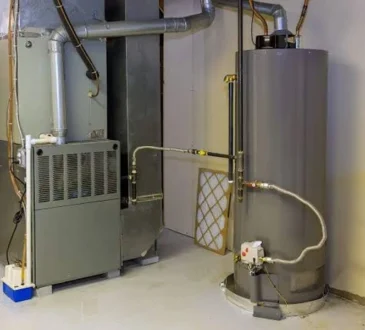

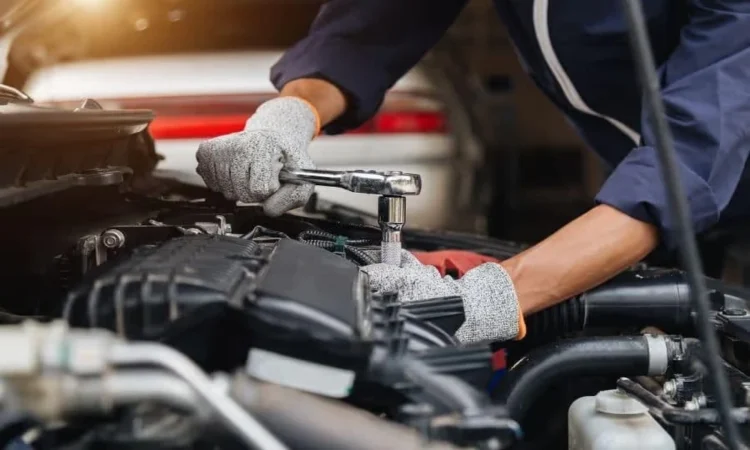
The parts of a heating and cooling system that give out first are rarely the expensive ones. A clogged condensate line, a weak capacitor, a dirty flame sensor or a filter packed with lint will stop a system long before the compressor or furnace reaches the end of its life. Each small failure also strains the bigger parts around it, which is how a minor wear item becomes a dead air conditioner in July.
Central New Jersey adds its own pressure. Homes near the Monmouth and Ocean County shoreline sit in humid, salty air that works on outdoor coils and electrical terminals all year. Inland, many older houses in Freehold, Middlesex County and around Trenton have chimneys, ductwork and wiring older than the equipment attached to them. Then comes the seasonal swing: muggy summers, freezing winter nights, and shoulder season days that call for heat in the morning and cooling by afternoon.
A maintenance visit is a structured inspection. A technician measures, cleans, tightens and tests the parts that wear, then records readings for comparison. A service agreement puts those visits on a calendar, timed so each side of the system is checked before the season it works hardest in, and it builds one ongoing record of the equipment instead of scattered repair tickets.
Across Monmouth, Ocean, Middlesex and Mercer counties, Garden State Air Conditioning and Heat builds its Preventative Maintenance and Service Agreements around exactly this kind of seasonal upkeep, backed by full Residential HVAC installation, repair and maintenance from its Freehold shop, where the company has been family owned since 1954. Its technicians also install and service mini split systems for rooms the ductwork never reached, and handle Commercial HVAC for offices and storefronts. If your system has gone a season or two without attention, ask the team how a service agreement could cover it.
1. Condensate Drain and Pan
Condensate drain: Every air conditioner and heat pump pulls water out of the air, and that water leaves through a pan and a narrow drain line. In a humid shore summer, algae and dust slowly turn that line into sludge. The EPA’s guide to mold, moisture and your home advises keeping air conditioning drip pans clean and drain lines flowing, and holding indoor humidity below 60 percent, ideally between 30 and 50.
Skip it and the pan overflows, a float switch shuts the system down, or a ceiling under an attic air handler picks up a brown stain. A service agreement typically flushes the line, clears the trap and tests the safety switch on the cooling visit.
2. Filter, Blower and Airflow
Filter and airflow: The filter protects the blower and coil, and the blower moves air in every season. A technician checks the filter, cleans the blower wheel and measures how freely air moves. Older homes often have small returns that choke airflow even with a clean filter.
Restricted air freezes the indoor coil in summer and overheats the furnace in winter. Agreements usually include a filter check, blower cleaning and a motor amperage reading.
3. Refrigerant Charge and Outdoor Coil
Refrigerant charge: Refrigerant is not used up like fuel, so a system that is low has a leak. Technicians compare pressures and line temperatures with the manufacturer’s target rather than adding refrigerant by guesswork. Near the coast, the outdoor coil faces salt and sand; inland, it collects grass clippings.
A low charge or matted coil makes the compressor run hot and leaves rooms clammy. The cooling visit on an agreement normally covers coil rinsing, fin straightening, line insulation and a look for oily spots that mark a leak.
4. Electrical Connections and Capacitor
Electrical connections: The capacitor gives motors their starting kick, and the contactor switches the outdoor unit on and off. Both wear with heat and cycling, and salty air corrodes their terminals. A failing capacitor is a classic reason an outdoor unit hums without starting.
Ignored, a weak capacitor overworks the motors it should protect. A maintenance visit tests the capacitor against its rating, inspects contactor points and tightens every connection.
5. Burner and Ignition
Burner and ignition: A gas furnace lights through an igniter and confirms the flame with a sensor. Once that sensor is coated with residue, the furnace lights, shuts off within seconds and eventually locks out.
Skipped, that failure tends to arrive on the first cold night. The heating visit on an agreement cleans the burners and flame sensor, checks gas pressure and walks through the ignition sequence and safety switches.
6. Heat Exchanger and Venting
Heat exchanger: This metal chamber keeps combustion gases separate from the air your family breathes. Cracks or corrosion let those gases escape, and so do blocked flues, which matters in older homes where a gas furnace vents into a chimney built for oil. The Consumer Product Safety Commission urges a yearly professional inspection of fuel burning heating systems, including furnaces, boilers, water heaters, chimneys, flues and vents.
Skipping this check risks carbon monoxide entering the house. Agreements usually include a visual or camera inspection, a combustion reading and a draft check.
7. Thermostat Calibration and Controls
Thermostat calibration: The thermostat only works if it reads the room accurately and talks correctly to the equipment. Technicians compare its reading with a measured temperature and test both modes. On heat pumps and dual fuel systems they also confirm defrost operation and the switch point between electric and gas heat.
Bad calibration causes short cycling and backup heat that runs when it should not, especially during spring and fall changeovers. Most agreements test controls on every visit.
8. Mini Split Indoor Heads and Their Filters
Mini split indoor unit: Ductless heads suit spaces central air never reached, such as additions, finished attics and sunrooms in older homes, plus small commercial rooms like a server closet or a salon back room. Each head has a washable mesh filter behind its front panel that owners can rinse, but the coil and barrel shaped blower wheel behind it collect grime a rinse cannot reach.
Neglected heads lose output, smell musty and drip down the wall. An agreement typically adds a deep coil and blower cleaning and a drain flush.
Most of what these checks catch never shows on the thermostat screen, so good service should end with a conversation. Ask the technician to walk through the readings and flag anything trending the wrong way, so next season’s visit starts with a clear picture of how the system is aging.