
A shower is no longer just a spot to rinse off. For many, it is a daily wellness ritual, a place to soothe sore muscles and reset the mind. The market for therapeutic shower systems has exploded, but finding the right design means more than choosing a flashy panel. It requires a thoughtful match between your lifestyle, your physical space, and the nuances of water supply.
Understanding Therapeutic Shower Systems: Benefits Beyond Cleanliness
The term “therapeutic” sounds enticing, but what does it really mean in the world of showers? A truly therapeutic system is engineered to offer more than a basic rinse. Features like steam generators, body jets aimed at pressure points, and rainfall heads designed for nervous system relaxation go well beyond a standard setup. Steam can help open airways and relax tense muscles, while body jets focus on deep muscle groups along the spine and lower back. The magic happens when you pinpoint your own wellness goals.
Case Study: Designing for a Small Bathroom Space
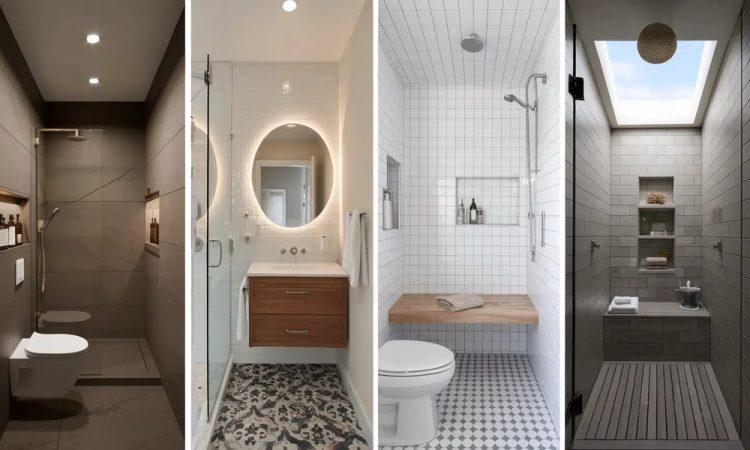
Small bathrooms raise immediate challenges: limited square footage, modest plumbing, and the need for every fixture to earn its place. Oversized systems with multiple jets might be tempting, but in tight quarters, they can overwhelm rather than enhance. Compact therapeutic showers exist for exactly this reason. These systems typically combine a sleek rain head with a versatile handheld wand, sometimes offering a single targeted jet that still delivers real muscle relief.
Imagine a cozy city apartment where the bathroom is barely wider than a closet. A wall-mounted therapeutic panel, flat against the surface, avoids the need for deep recesses or complex re-routing of pipes. By focusing on essential features and quality over quantity, it is possible to bring genuine wellness into even the most compact spaces.
Case Study: Optimizing Large Bathroom Spaces with Luxury Shower Systems
On the other end of the spectrum, sprawling bathrooms open the door to spa-level indulgence. Here, you can design a true retreat, layering rainfall heads, vertical body jets, and even a built-in steam generator. With space to spare, installation can be fully integrated for a seamless, custom look.
Picture a home renovation where the master bath becomes a sanctuary. The shower enclosure expands to a generous 36 by 48 inches or more, giving every feature room to shine. Multiple users can enjoy tailored experiences, choosing between rainfall, targeted jets, or enveloping steam at the touch of a button. The design is not just for show; it elevates daily routines into something transformative.
Matching Shower Systems to Water Pressure and Supply Realities
A common mistake is falling in love with a multi-jet panel only to be betrayed by feeble water flow. High-end systems demand robust pressure (often 45 PSI or higher) and ample hot water. Before you commit, use a simple pressure gauge to test your home’s output. If you discover a reading below 40 PSI, solutions exist. Pump-assisted systems can boost pressure, and tankless water heaters ensure hot water does not run out mid-steam. Matching your system to your actual plumbing avoids costly disappointment.
Installation Considerations: Panel Types and Bathroom Layouts
Choosing between wall-mounted panels and built-in valves is about more than aesthetics. Wall-mounted systems are less invasive and typically fit into renovation timelines with minimal disruption. Built-in systems require opening walls and rerouting supply lines, a task best suited for full remodels. Your decision should balance desired features, budget, and willingness to endure construction dust.
Prioritizing Material Quality and Valve Technology for Longevity
Quality materials are not a luxury but a necessity in a wet, high-use environment. Stainless steel and solid brass resist corrosion far longer than plastic. Inside the system, ceramic disc valves outperform rubber washers, safeguarding precise temperature control over years of use. Thermostatic valves are especially valuable for therapeutic showers, holding water at a steady temperature and eliminating the risk of sudden, uncomfortable shifts.
Maintenance and Long-Term Usability
Every additional jet or nozzle adds potential maintenance. Features like self-cleaning silicone nozzles and removable spray plates make regular upkeep far less of a chore, especially if you have hard water. When shopping, verify that replacement parts are widely available. A system that cannot be serviced easily becomes a liability, not an asset.
Final Thoughts: Balancing Physical Needs, Space, and Practicality
The ideal shower system is one that enhances your daily life, not just in appearance but in genuine comfort and utility. Start by defining your wellness goals and evaluating the realities of your bathroom’s size and water supply. For those seeking a deeper dive on tailoring their choice, the guide on how to choose the right therapeutic shower system is an excellent resource. Ultimately, a bathroom should work for your body and lifestyle, supporting well-being through smart, practical design. Whether your space is sprawling or snug, the right shower system can turn routine into ritual.