
Furniture affects a room in quiet ways. Sometimes people do not notice it immediately. A space just starts feeling easier to sit in. Softer somehow. Less sharp around the edges.
That is part of why more homeowners are paying attention to japanese handmade furniture lately. Not only because it looks clean or modern. Mostly because these pieces often feel lived with instead of simply displayed.
A chair near the corner window. A wooden table carrying little marks from daily meals. Cabinets that do not scream for attention every second. Those details stay with people longer than trend based designs usually do. And honestly some handcrafted furniture almost looks too simple at first.
Natural materials still shape modern home interiors
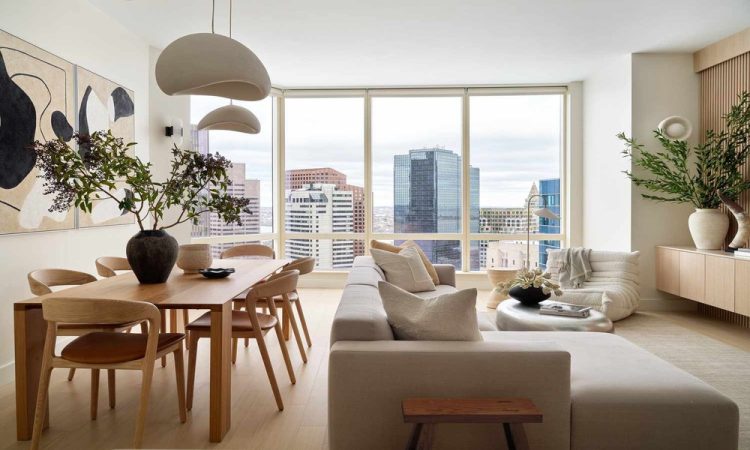
A lot of homes now lean toward open layouts and lighter interiors. But when everything becomes too polished or too minimal, rooms can start feeling cold without meaning to. Natural materials help break that feeling.
Wood grain, woven fabric, linen texture, slightly uneven surfaces. They add warmth quietly instead of making the room busy. Even sunlight reacts differently around natural materials compared to glossy manufactured finishes.
Some common choices include:
- Oak wood
- Walnut surfaces
- Linen fabric seating
- Ash wood finishes
- Leather accents
- Hand woven textures
Morning light changes these materials completely. Especially wood. Sometimes the same table looks warm and golden in the evening, then cooler and softer the next morning. Hard to explain exactly.
Wood selection changes both appearance and durability
Different woods create different moods. Lighter woods usually make rooms feel more open while darker finishes feel heavier and calmer.
The material matters long term too.
|
Wood Type |
Feeling Inside The Room |
|---|---|
|
Oak |
Warm and relaxed |
|
Walnut |
Deep and grounded |
|
Ash |
Bright and cleaner looking |
|
Teak |
Rich with visible texture |
And wood behaves differently depending on humidity, temperature, and daily use. That part gets ignored sometimes because people focus mostly on appearance during shopping.
Years later though, material quality becomes obvious very quickly.
Storage pieces that balance function and visual calm
Storage furniture now does more than hold objects. People also want it to reduce visual stress inside the home.
And clutter changes room atmosphere faster than most realize.
Handmade cabinets and shelving systems often use lower profiles, softer edges, and mixed storage sections to keep spaces functional without feeling overloaded. Open shelves combined with hidden compartments help rooms stay practical while still looking calm.
Some approaches people prefer include:
- Sliding wooden doors
- Lower sideboards
- Mixed open and closed shelving
- Softer drawer systems
- Multi use furniture layouts
Long term furniture care often stays surprisingly simple
Many people assume handcrafted furniture needs constant maintenance. Usually it does not.
Basic care habits are often enough:
- Wipe surfaces gently
- Clean spills before they settle
- Avoid excessive direct sunlight
- Keep moisture balanced indoors
- Use wood care products occasionally
Over time the furniture simply becomes part of the house. The surface changes slightly. The texture softens. Small imperfections appear naturally.
That gradual aging process is one reason people continue choosing japanese handmade furniture for quieter interiors. The furniture does not always stay showroom perfect forever. It settles into daily routines instead. Slow mornings. Half-finished conversations. Books left open on tables overnight sometimes.