
A small roof issue, such as a minor leak, a cracked tile, or a patch of discolouration on a ceiling, is often left unaddressed on the assumption that it can wait until it becomes more noticeable or convenient to deal with. In practice, most roofing problems worsen steadily rather than staying static, and a delay of even a few months can turn a simple repair into a considerably larger and more expensive project. Reviewing roof repair helps property owners recognise these warning signs before they escalate.
Water Stains and Ceiling Discolouration
A water stain or discoloured patch on an interior ceiling almost always indicates an active leak somewhere in the roof above, even if the source is not immediately visible from inside the property. Addressing this promptly, rather than waiting for a visible drip to appear, prevents further damage to insulation, structural timber, and interior finishes. The actual entry point is often located some distance from where the stain appears, since water tends to travel along structural members before dripping down.
Missing, Cracked, or Curling Roof Tiles
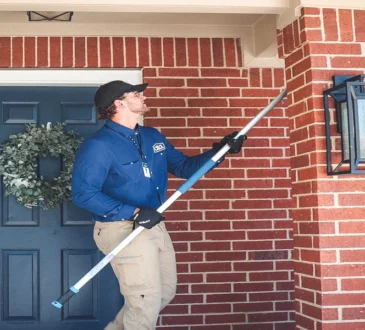
A missing or damaged tile creates a direct entry point for water, and even a tile that has merely curled or lifted slightly can allow water to penetrate during heavy rain. Regular visual inspection, particularly after a period of strong wind or storms, catches this kind of damage before it leads to a more significant leak. Binoculars from ground level can often reveal this kind of damage without the property owner needing to climb onto the roof themselves.
Blocked or Damaged Gutters and Downpipes
A blocked gutter forces water to back up against the roofline rather than draining away properly, which can lead to water penetration at the roof edge even when the roofing material itself is in good condition. Clearing gutters regularly, particularly in a property surrounded by trees, is a simple maintenance task that prevents a range of more serious issues. A damaged downpipe directing water against a wall rather than away from the foundation can also cause damage well beyond the roof itself.
Engaging a Contractor Once a Problem Is Found
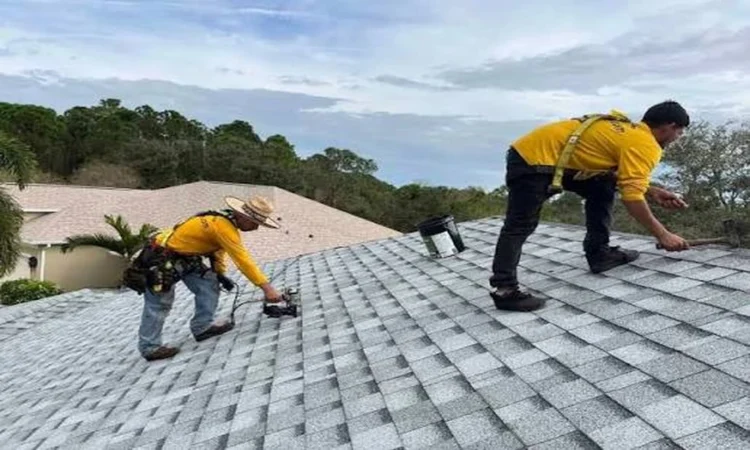
Once a problem is identified, engaging roof contractors promptly prevents a manageable issue from developing into a more extensive and costly project. Delaying this step to gather multiple quotes is reasonable, but should not extend so long that the underlying damage continues to worsen.
Sagging or Uneven Roof Sections
A section of roof that appears to sag or sit unevenly compared with the rest of the structure often indicates water damage to the underlying support timber, which is a more serious structural concern than a surface-level leak. This issue should be assessed promptly by a qualified professional rather than monitored casually over time. Left unaddressed, this kind of structural weakening can eventually compromise the integrity of the entire roof section rather than remaining isolated.
Granule Loss on Asphalt or Shingle Roofing
Excessive granule buildup in gutters or visibly bald patches on shingle roofing indicate material degradation that reduces the roof’s protective capability against sun and rain exposure. This is a gradual process that becomes more noticeable over time, making periodic inspection important for catching it before it leads to leaks.
Signs of Pest or Animal Intrusion
Small gaps or damaged sections of roofing can allow birds, rodents, or insects to enter a roof cavity, where they can cause additional damage to insulation and wiring beyond the original structural issue. Addressing the entry point promptly prevents this secondary damage from compounding the original repair cost. Unusual noises from the roof space, particularly at night, are often the first sign of this kind of intrusion before any visible damage appears.
When a Repair Becomes a Replacement Decision
A roof with multiple recurring issues across different areas, or one approaching the end of its expected material lifespan, may be better served by a full replacement rather than a series of individual repairs that address symptoms without resolving the underlying cause. A qualified assessment can clarify which approach makes more sense for a specific property’s condition and budget. Comparing the cumulative cost of repeated repairs against a single replacement often makes the more sensible option clearer than it first appears.
Timing Roof Work Around Solar Plans
Property owners planning significant roof work should also consider whether the timing suits adding solar panels at the same time, since install solar panel singapore overlap considerably with a roof replacement project already underway. Addressing both together often proves more cost-effective than two separate projects at different times.
Acting Early to Protect the Property
Recognising the early warning signs of roof damage, and addressing them promptly rather than deferring action, is the single most effective way to avoid a minor issue becoming a major and expensive repair. Property owners should treat a small, easily fixed problem as an opportunity to prevent a much larger one, rather than a task that can wait indefinitely. Acting on these signs promptly, with a qualified contractor, protects both the property and the household budget over the long term.