
Cactus in a desert landscape
Sometimes, cacti grow where you don’t want them, crowd out other plants, lean on buildings or other structures, or become unsafe or impractical to maintain. Whatever the reason, cactus removal can help you reclaim space, make your landscape more accessible, and address potential safety concerns.
When Removal Makes Sense
While you may be able to manage smaller cacti using hand tools, mature, unwanted cacti require a more comprehensive approach to ensure you remove the plant safely and thoroughly. Some of the signs that it may be time to remove your cactus include:
- Spiny cactus pads or branches are growing into walkways, driveways, or play areas.
- The plant is damaged and parts may fall off.
- It is crowding buildings, outdoor equipment, fences, etc.
- It has grown so large and thick that it’s difficult to safely prune and maintain.
- The cactus is diseased, dying, or dead, and unsightly or attracting pests.
- You want to revamp your landscape and make better use of the space.
Removing a cactus can help improve access to your property, eliminate safety concerns, and give you a fresh start with your landscape.
Why Professional Removal Is Recommended
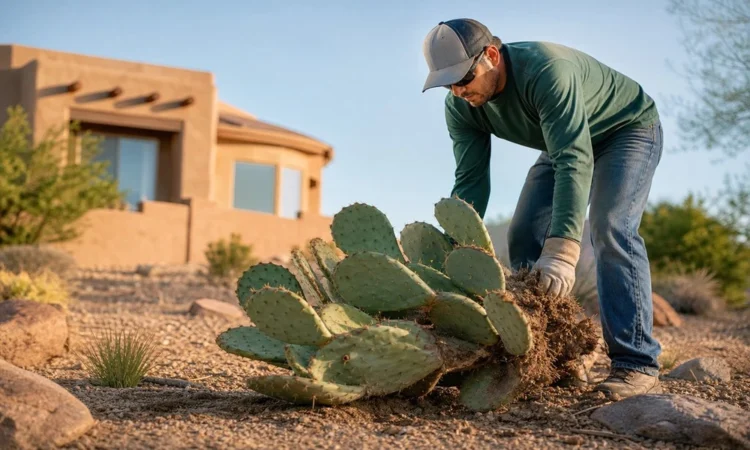
Mature cacti are challenging to remove yourself. Not only are they covered in spines, but their stems can be extremely thick and heavy. If you simply lop off a mature cactus, it may regrow, and any remaining spines could still present a hazard. That’s why it’s important to thoroughly remove the cactus, including any roots beneath the surface. For safe, efficient cactus removal, contact a professional service.
Is Trimming Enough?
Sometimes, simply trimming a cactus is enough to maintain control. For some species, however, pruning won’t be enough to keep the cactus in check. And if you don’t remove the cactus at its base, including any roots that remain in the ground, it may sprout and regrow. If you repeatedly cut the cactus back only to find it overgrowing walkways or other structures again, it may be time to consider removing it altogether.
What Professional Removal Involves
The best cactus removal method varies depending on the type of cactus, its size and condition, and its location, all key considerations in cactus removal Albuquerque. For example, a tall, multi-branched cactus growing next to your home requires a different approach than a thick patch of cacti in the corner of your yard.
Cactus plants in a residential landscape
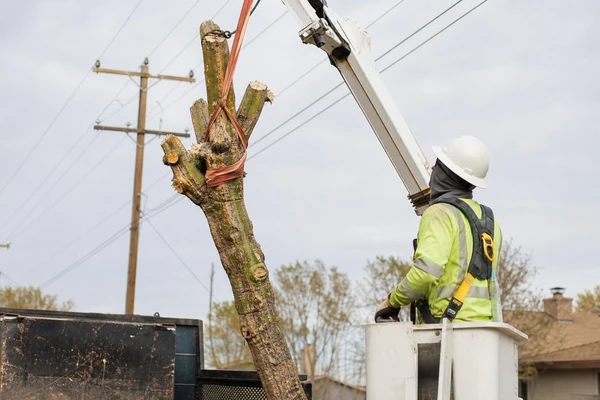
If a cactus is growing within 10 feet of power lines, don’t attempt to remove it yourself. You may need to make alternate arrangements for cactus removal or contact your utility company for more information.
Cactus removal near you may include:
- Assessing the size, health, and location of the cactus
- Determining the best approach to safely and thoroughly remove the cactus, taking nearby obstructions, unstable plant parts, access to the cactus, etc., into consideration
- Setting up barriers around the cactus to keep you, your family, and pets at a safe distance
- Removing the cactus in a strategic order to safely bring it down and avoid damaging nearby surfaces or objects
- Cutting away the base of the cactus and removing as many roots as possible
- Hauling away the cactus and other plant materials
- Raking the area to remove any debris, including cactus spines, and performing a final sweep so the area is ready for its next use
What to Do With the Cactus Waste
Before disposing of your cactus, check with your local municipality to learn about their yard waste guidelines. Some communities may have different recycling guidelines for cactus than they do for other types of yard waste, while others may not allow cactus in curbside recycling bins.
Thick cactus branches and pads can take a long time to dry out and decompose, even with the composting methods described at https://scientificamerican.com/article/how-to-compost-at-home, and may retain sharp spines long after cutting, so handle them carefully during disposal.
If you want to completely eliminate the chance of your cactus regrowing, it’s best to remove all of it from your property. Rather than leaving piles of branches and pads behind your shed or in a corner of your yard where no one can see them, consider hiring a professional cactus removal service near you that will haul it all away for you.
What Comes After Removal
After your cactus is removed, you may need to rake, level, and treat the soil before you can repurpose the space. Even after the roots and trunk of the cactus are removed, the soil can remain compacted and spiky bits of the cactus may still be present just below the surface. Be sure to rake and sweep the area thoroughly once the cactus has been removed to get an idea of what work still needs to be done before you can use the space.
If you want to plant something else in the spot where your cactus once stood, consider the plant’s mature size and watering needs as well as its proximity to any structures or pathways before you get started.