
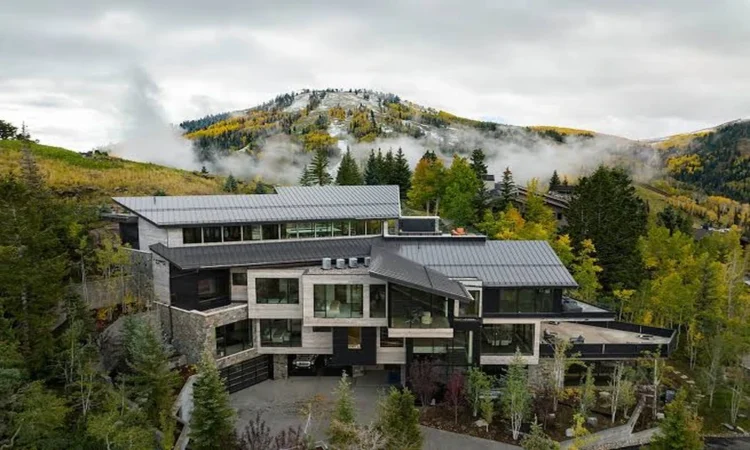
A house on a wooded slope in the North Georgia mountains lives a different life than one on a flat suburban lot. The same rain falls on both, but up here it often arrives sideways off a ridge, keeps dripping from oak limbs long after the clouds pass, and settles into shaded corners the afternoon sun never reaches. Roofing materials are tested and warrantied with average conditions in mind, and mountain conditions are rarely average.
That gap between the product sheet and the hillside is where a lot of roof trouble in Gilmer, Fannin, Pickens and Cherokee counties starts. Homeowners around Ellijay who want a local set of eyes on their roof often turn to Georgia Roofmasters, a licensed and insured crew based on GA 515 that handles inspections, leak repairs and full replacements in both metal and shingle. Whoever ends up on the ladder, it pays to understand how mountain terrain works against a roof, because it rarely attacks from just one direction.
Trouble Falling From the Canopy
Trees are the reason most people buy mountain property, and they are also the steadiest stress on the roof below them. White pines drop needles all year, and those needles knit together in valleys and behind chimneys into dense mats that hold water against the shingles. Oak leaves carry tannins that stain lighter roofing and break down into a soggy compost inside gutters. Every limb hanging over the house is also a future impact. A dead branch from a poplar, or from a hemlock weakened by woolly adelgid, can punch through decking during a summer thunderstorm with no warning at all.
The fix here is more about the trees than the roof. Trimming branches back several feet from the roof surface cuts debris, lets the roof dry faster after rain, and removes the highway squirrels use to reach soffits and vent openings. Gutter guards help on heavily wooded lots, though they still deserve a look each fall since pine needles slip through many mesh styles.
Wind That Climbs the Slope
Homes set on ridgelines and hillsides for the view take the full force of wind funneling up the valleys. Gusts lift the edges of shingles along the rakes and eaves first, then work on the ridge cap. On metal roofs, the weak spots are usually the fasteners. Exposed fastener panels, common on older cabins and barns, depend on rubber washers that harden and crack after years of sun. Once they loosen, wind rattles the screws until the holes widen and start to leak.
After a strong blow, a slow walk around the house with binoculars tells you more than you might expect. Signs worth a closer look include
- shingle pieces in the yard or caught in shrubs, especially ridge cap fragments
- tabs that look slightly raised or creased along a straight line
- metal screws backing out, or rust streaks running down from fastener heads
- drip edge that is bent, or flashing pulled away from a chimney or sidewall
Creased shingles matter even when they settle back down flat. The adhesive seal has broken, and the next storm will catch them far more easily.
Shade and the Damp North Face
This one gets overlooked constantly. Plenty of mountain homes have one roof plane that sees almost no direct sun, either because it faces north or because it sits beneath a thick stand of trees. That side stays wet for hours after every rain and every heavy dew. Moss and lichen move in, and dark algae streaks spread across asphalt shingles. Moss is more than a looks problem. It lifts shingle edges as it grows and keeps moisture pressed against the mat, so the shady side of the roof can wear out years before the sunny side.
Pressure washing is the wrong answer because it strips away protective granules. Gentle cleaning with products made for roofing, and sometimes zinc or copper strips installed near the ridge, slows regrowth. Opening up the canopy so more light reaches that plane does the most lasting good.
Freeze Cycles at Elevation
Winters here are mild by national standards, yet higher elevations log far more nights below freezing than Atlanta does, and the occasional ice storm reminds everyone why that matters. Water that sneaks under a lifted shingle or a cracked pipe boot freezes, expands and widens the gap a little more with each cycle. Ice along the eaves of a poorly ventilated roof can push water back under the lower courses. On a mountain reroof, ice and water shield membrane along the eaves, in the valleys and around every penetration is inexpensive protection against a problem that only shows up a few weeks a year.
Ice storms also bring trees down, which circles right back to the canopy.
Moisture Rising From Inside
Many cabins have vaulted ceilings with little or no attic space, and ventilation in those rafter bays is often an afterthought. Moisture from cooking, hot showers and wood stoves rises into a tight roof assembly, condenses on cold sheathing in winter, and shows up as darkened decking or nail tips that drip on the first warm morning. A ceiling stain that appears in January with no rain in the forecast usually points to ventilation and insulation rather than a hole in the roof.
Wood stove chimneys bring their own demands. Their flashing goes through constant heat cycles, and a wide chimney on the uphill side of a roof needs a cricket behind it to split water and debris instead of letting both pile up against the masonry.
Fire Season on a Forested Lot
Wildfire is not the first hazard people link with Georgia, yet the mountain counties have seen serious fall fires, including the Rough Ridge fire that burned through the Cohutta Wilderness in 2016. The Georgia Forestry Commission explains that leaves collecting on roofs and in gutters give wind carried embers an easy place to ignite, and it recommends small metal mesh over attic and crawl space vents to keep embers out. Fall leaf drop lines up with drier air and more outdoor burning, which makes that season’s roof and gutter cleanup more than a chore. Class A rated materials, a category that covers most fiberglass asphalt shingles and metal roofing, give a wooded home the widest margin.
Choosing Between Metal and Shingle Up Here
Metal sheds needles and the rare snow load well, resists fire, and can last decades, particularly standing seam with concealed fasteners. Its drawbacks show up in cabins with no attic, where rain on bare panels can be loud, and in exposed fastener systems that need periodic screw checks. Architectural shingles cost less upfront, run quieter, and are simpler to patch after a limb strike. On exposed ridges, choosing a shingle with a high wind rating and insisting on the manufacturer’s high wind nailing pattern makes a real difference. Homeowners convert in both directions, and neither choice is wrong as long as it matches the lot, the budget and how much upkeep the owner actually plans to do.
Vacation rental cabins add one more wrinkle. Guests rarely report a small drip, and a leak can run for weeks between owner visits. Owners who rent tend to do best with a roof check between seasons rather than waiting for a review that mentions a stained ceiling.
Living with a mountain roof mostly comes down to timing. Fall brings the debris, late winter reveals what the cold opened up, and spring storms test whatever is left. A homeowner who looks at the roof through those three windows each year, and who keeps the trees in check, will find that a roof on the side of a mountain can last every bit as long as one in the valley.