
Every spring, the population of the Lowcountry swells. Vacationers fill rental villas on Hilton Head, golfers pack clubhouses in Bluffton, and day trippers crowd the shops and restaurants along Bay Street in Beaufort. For local businesses, this rush brings revenue. For the mechanical systems keeping those buildings comfortable, it brings the hardest months of the year.
A restaurant dining room that hosts a handful of tables in January may run at full capacity every evening in July, with ovens, fryers, and dozens of bodies adding heat at the same time the outdoor temperature peaks. Business owners who rely on commercial hvac in Beaufort County often plan around this rhythm, and experienced local providers such as the Ridgeland based team behind tidelandsairconditioning.com, with more than 30 years serving homes and businesses across the area plus 24/7 emergency availability and commercial refrigeration service, have watched the same seasonal pattern repeat for decades. Understanding that cycle is the first step toward avoiding a midsummer breakdown.
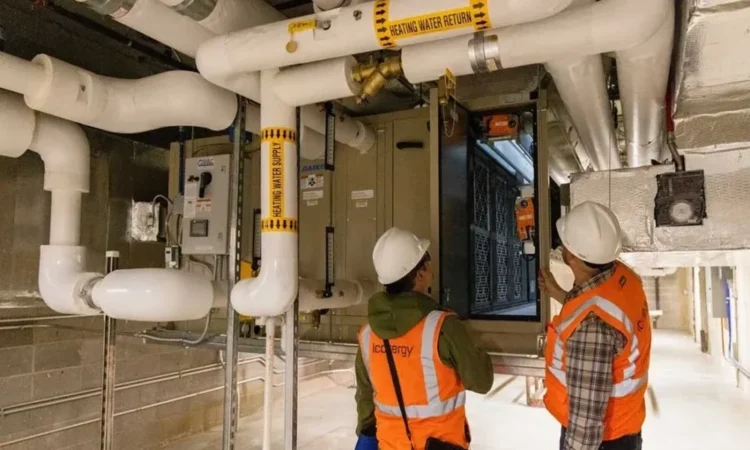
Commercial equipment works differently from home systems. Rooftop package units, split systems serving multiple zones, walk in coolers, and kitchen exhaust all have to work together. When one piece falls behind, the others feel the strain quickly.
Why Load Swings Are So Hard on Equipment
Most commercial systems are designed around a peak load, the hottest afternoon with the most people inside. In a tourism economy, that peak lasts for weeks rather than a few scattered days. Units run long cycles with little rest, and small weaknesses that went unnoticed during quieter months suddenly show up.
A slightly dirty condenser coil, a worn belt, or a weak capacitor might be harmless at half capacity. At full capacity in humid coastal heat, those same issues can cause a unit to trip off during the dinner rush. Salt air near the islands speeds up corrosion on rooftop equipment, which adds another layer of stress.
Off season use creates its own problems. Buildings that sit partly empty in winter may run equipment in short, inefficient cycles or shut down zones entirely. Humidity can creep up in closed off areas, leading to musty smells and damp ceiling tiles that only become obvious when the doors open for spring.
The Quiet Months Are the Best Time to Prepare
Winter and early spring offer the window most businesses need. Contractors are less busy, parts are easier to source, and repairs can be scheduled around slower trading days instead of forced into a weekend crisis.
Facility managers and owners often work through a simple sequence before peak season begins:
- Review last summer’s service calls and note any unit that struggled more than once.
- Schedule coil cleaning, belt replacement, and electrical checks on every rooftop unit.
- Test refrigeration equipment, including door gaskets on walk in coolers and freezers.
- Replace filters and confirm that fresh air dampers open and close properly.
- Walk the roof for standing water, loose panels, and corrosion around unit bases.
Working through these steps months ahead turns an unpredictable summer into a manageable one. It also gives time to budget for any replacement that a technician flags as near the end of its useful life.
Different Businesses, Different Pressures
Restaurants face the heaviest demand. Cooking equipment generates enormous heat, and kitchen exhaust hoods pull conditioned air out of the building constantly. If makeup air is not balanced properly, doors may be hard to open, odors drift into the dining room, and the cooling system works harder than necessary. Refrigeration ties directly into food safety, so a failing walk in cooler can mean lost inventory as well as lost sales.
Hotels and short term lodging deal with dozens of individual rooms, each with guests who expect instant comfort. Room units, corridor ventilation, and common area systems all need attention, and moisture control in guest rooms is critical in this climate.
Retail shops and galleries along busy streets lose cool air every time the door opens. Large front windows add solar heat in the afternoon. Many store owners find that zoning or adjusting thermostat schedules helps keep the sales floor comfortable without overcooling storage areas.
Medical and professional offices, which see steady traffic year round, care most about consistent temperature and clean air rather than seasonal swings.
Indoor Air Quality Belongs in the Plan
Crowded spaces need more than cool air. They need enough fresh air to dilute carbon dioxide, odors, and airborne particles. The OSHA indoor air quality resource page points out that poor ventilation, temperature and humidity problems, and contaminants can all affect the health and comfort of building occupants, including employees who spend full shifts inside.
In coastal South Carolina, humidity is often the biggest air quality challenge. High indoor moisture encourages mold growth on ductwork, ceiling tiles, and stored goods. Dedicated dehumidification or equipment designed to remove more moisture during long run times can make a noticeable difference in how a crowded space feels.
Energy Costs Rise With the Crowds
Peak season electricity bills can be a shock for businesses that run older equipment. Aging rooftop units with low efficiency ratings consume far more power than modern replacements, especially during months of nonstop operation.
Benchmarking energy use is one way owners spot trouble early. The ENERGY STAR buildings program offers free tools that let commercial property owners track energy performance and compare it against similar buildings across the country. A building that consistently uses more energy than its peers may have equipment, controls, or ductwork worth investigating.
Smart controls also help. Programmable thermostats, occupancy sensors, and building automation systems can scale cooling up during busy hours and back down when a space is empty, which matters a great deal for businesses with uneven traffic.
Thinking Beyond One Summer
Commercial cooling decisions tend to last a decade or more, so short term fixes rarely pay off in a market with such strong seasonal swings. Owners who track how their systems perform across a full year, rather than only reacting during emergencies, are better positioned to plan upgrades on their own timeline.
The Lowcountry’s busy months bring heat, humidity, and crowds all at once. Buildings that handle that combination well usually have systems sized for real peak conditions, maintained during the slow months, and adjusted to the specific way each business operates. Preparing in winter is far less stressful than scrambling for repairs while customers wait in a warm dining room in August.