
Quick Answer:Prior to the beginning of winter, inspect your home’s roof for curling or missing shingles, roof pieces in gutters, roof bending down, damaged flashing, ceiling stains, poor attic ventilation and moss or other debris that could build up. If you see these issues now, and get a professional to look at the roof during the fall, you would save tons of money. After all, there’s a high cost to fixing leaks, ice dams and water damage in winter, when it is cold outside.
Your roof is one element of your house that you often forget about until the water begins to come through it. An initial problem, which could have been fixed in a matter of one day, could escalate into more serious issues. These issues could affect the insulation, cause staining on the ceiling, or even rot the wood. When it is winter, the problems only become worse due to the extra weight and water from snow, ice, and freezing rain. The problem is that many roofs cannot withstand them. However, it should be noted that most roofing problems do present themselves earlier on.
Why Autumn Is the Best Time to Check
Autumn brings dry days, mild weather, and gives you time to set up repairs before the first freeze. Local contractors are also easier to reach now than during a winter storm. Contacting good roofers in Charles Town or near you early in autumn means any roofing problems can be fixed while the weather is still good for this work. A quick look from below and then a professional inspection is the best plan.
Sign 1: Curling, Cracked or Missing Shingles
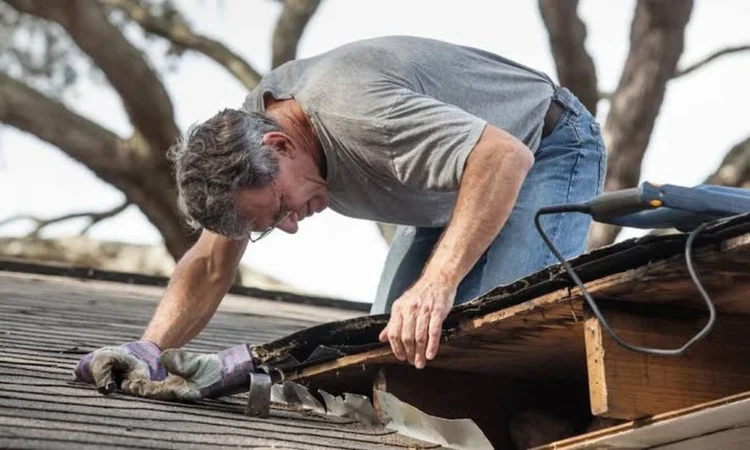
Shingles that curl at the edges, crack, or go missing can leave the roof deck open. Wind can lift them up, and water can get under them. A few bad shingles can be fixed. If a lot of them are damaged, it may mean your roof is getting old.
Also, you need to think about how old your roof is. Most asphalt shingle roofs last about 20 to 30 years. The life depends on the material used, how it was put in, and the weather where you live. If your roof is getting close to that age, small signs of any damage matter and should be checked. You can use binoculars and look from the yard, as that is safe. Do not climb up there, especially if the roof is wet or has ice on it.
Sign 2: Granules in the Gutters
Asphalt shingles are covered with tiny bits that help protect them from the sun. If you notice lots of this gritty stuff in your gutters or where water comes out, it means your shingles are getting old. This Forbes guide to the signs you need a new roof explains why losing these bits is a big sign your roof is getting old.
Signs 3 and 4: Sagging and Damaged Flashing
A roofline that dips or sags can mean there are problems with the structure or water damage that has been there for some time on the decking. This is serious and needs a pro to look at it right away. Flashing, which is the strips usually put around chimneys, vents, and skylights, is also a spot that can often have issues. If the sealant is cracked or the flashing is lifted, water could get in. This often happens in places where leaks are hard to find.
Clogged gutters are also a big problem to think about. When leaves and other stuff block the flow, water can go back up under the edge of the roof and get into the fascia boards. In the winter, if this water gets stuck, it can freeze and get heavy. If you clear your gutters in late autumn after most leaves have come down, you can stop this from happening. It’s a simple thing to do, and it helps keep your roof and walls safe.
Signs 5 to 7: Inside the Home and AtticThere are some warning signs that appear exclusively indoors:• Ceiling and upper parts of walls have signs of moisture after rain.• Insufficient ventilation of attic and inadequate insulation might lead to ice dams. The process occurs when air gets warmed by heated areas and starts melting snow on the roof.• Moss, algae, and other kinds of organic matter can prevent drainage of the roof and cause water to be retained on its surface.Use a torch to inspect your attic for any wet areas, signs of light penetration through the boards and moldy smell. If you find any of those, then it is time to contact the trusted roofer in Charles Town or in the vicinity.Conclusion
A strong roof keeps everything under it safe. Winter often shows where the roof is weak. Check for damaged shingles, missing small bits, sagging, worn flashing, stains on the ceiling, ventilation problems, and moss before it gets cold. Book repairs while the weather is still good. Good attic insulation and sealing can help stop ice from building up. ENERGY STAR has a guide to a well-insulated and sealed attic. It can tell you how to do this. Always let qualified experts do climbing and repair work.
FAQs
What is the frequency of the roof inspection?
This procedure needs to be done once a year preferably in fall and after heavy rains.
Is it possible for me to fix some missing shingles on my own?
No, it would be better to call a specialist.
What causes ice dams?
Warm air in the attic can make snow melt. When this water goes to the roof’s edge, it can freeze again.