
Retractable Patio Screens in Dallas: What to Consider Before Installation

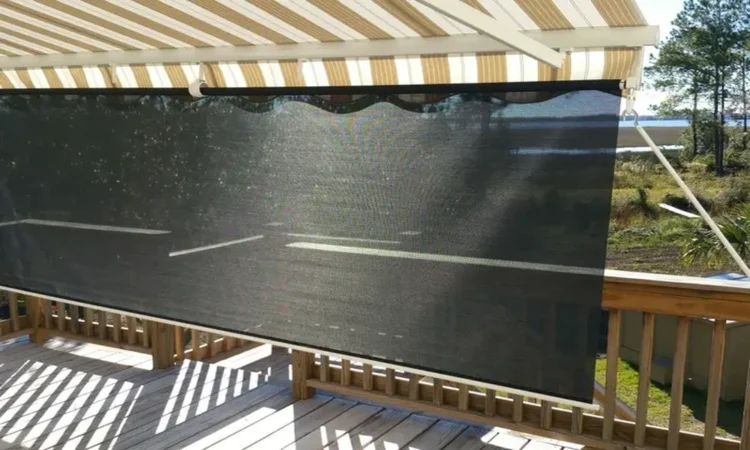
A patio can be one of the most versatile areas of a home, especially when it functions as a place for dining, entertaining, relaxing, or spending time with family. However, an open patio also means dealing with changing sunlight, insects, privacy concerns, and other outdoor conditions. Retractable patio screens in Dallas give homeowners the ability to add screening when they want it while keeping the space open when they do not.
Homeowners researching screen options can visit https://conservationscreensandawnings.com/locations/dallas-tx/ to explore solutions designed for outdoor living areas. Before choosing a system, it is helpful to evaluate the patio itself, including its openings, structural features, traffic patterns, and primary uses. These practical details can influence where screens are installed and how they fit into everyday life.
Identify Which Openings Need Screens
Not every side of a patio necessarily needs the same solution.
One opening may face the backyard, another may overlook a neighboring property, and a third could connect directly to a frequently used walkway. Sunlight and insect exposure may also differ depending on orientation and surrounding landscaping.
Homeowners can evaluate each opening separately.
Consider where additional screening would be most useful and where maintaining an unobstructed connection to the yard is a greater priority.
This allows the project to respond to the actual patio rather than automatically treating every opening identically.
Consider the Size of the Openings
Covered patios can include wide openings between columns, narrower sections beside doors, or several openings with different dimensions.
Accurate measurements are important when planning retractable patio screens in Dallas.
Homeowners should also consider structural elements around each opening. Columns, beams, trim, walls, and other components can influence how a screen system is incorporated into the space.
A professional evaluation provides an opportunity to review these conditions and determine how the screens can work with the existing structure.
Think About How Often the Patio Is Used
A patio used occasionally may have different requirements from one that functions as an everyday extension of the living space.
Some households eat outside regularly. Others use the patio for entertaining on weekends, watching television, working from home, or supervising children in the backyard.
Frequent use makes everyday convenience especially important.
Homeowners should think about when they would normally want screens lowered and when they would prefer the patio completely open.
Understanding these routines can help determine how a retractable system will fit into the household rather than becoming a feature that is rarely used.
Plan Around Entry and Exit Points
Patio traffic deserves careful attention.
People may regularly move between the house and backyard through the screened area. Children may run outside to play, while adults may carry food, drinks, or grilling supplies through the same route.
Homeowners should identify the busiest paths before installation.
Screen placement and operation should make sense alongside these movements.
When evaluating retractable patio screens in Dallas, consider how the patio connects with exterior doors, steps, pathways, pools, gardens, and other frequently accessed areas of the property.
Look at Where Insects Enter
Insect activity is one reason homeowners consider screening an outdoor area.
However, the surrounding environment can influence where insects are most noticeable.
Landscaping, standing water, outdoor lighting, dining areas, and other conditions may affect activity around different parts of a patio.
Homeowners can pay attention to where the problem seems most significant, particularly during the hours they normally spend outside.
This information can help create a more targeted screening plan instead of approaching the patio solely according to its appearance.
Decide How Important the View Is
One of the advantages of an open patio is the visual connection with the yard.
For homes with attractive landscaping, a garden, pool, or open backyard, preserving that connection may be an important project goal.
Homeowners should evaluate important views from the places where they actually sit.
The perspective from a dining chair or outdoor sofa may be very different from the view while standing near the patio entrance.
Considering these sightlines can help homeowners discuss screen options while keeping the outdoor surroundings an intentional part of the space.
Include Privacy in the Planning
Patios can sometimes feel exposed even when the backyard itself is comfortable.
Neighboring homes, streets, sidewalks, or other outdoor areas may be visible from particular sides of the patio.
Privacy needs can also change depending on the activity.
A homeowner may prefer an open setting while gardening but want a different atmosphere during an evening meal or gathering.
The flexibility of retractable patio screens in Dallas allows homeowners to consider screening as something that can respond to changing preferences instead of permanently altering the openness of the patio.
Check for Outdoor Kitchens and Built-In Features
Outdoor kitchens have become an important feature in many patio designs.
Grills, counters, refrigerators, fireplaces, cabinets, and entertainment systems can occupy significant portions of an outdoor living area. These fixed features need to be considered when determining where screens can operate.
Homeowners should identify anything that cannot easily be moved.
Future additions should also be discussed. If an outdoor kitchen or fireplace is planned, it may be useful to coordinate that project with the screen installation rather than designing each feature independently.
Consider the Appearance of the System
A screen system should work visually with the structure supporting it.
Housing components and other visible elements may interact with columns, beams, trim, siding, or other exterior finishes.
Homeowners can consider these architectural details when reviewing options.
The goal does not have to be making every component invisible. Instead, homeowners can look for a finished installation that feels intentional and compatible with the existing patio.
This becomes particularly important when the outdoor living area is highly visible from inside the house.
Understand How the Screens Operate
Retractable systems introduce a moving component to the patio, so homeowners should understand normal operation.
Ask how the screens are raised and lowered, what controls are used, and what manufacturer guidance should be followed.
Household members who regularly use the patio should become familiar with the system.
Homeowners should also ask about routine maintenance and what should be avoided during operation.
Keeping instructions and warranty information accessible makes it easier to reference the proper procedures later.
Consider Other Outdoor Improvements
A patio rarely stays exactly the same forever.
Furniture changes, landscaping grows, lighting gets updated, and homeowners may eventually add new doors, flooring, an outdoor kitchen, or other features.
When planning retractable patio screens in Dallas, mentioning future projects can help determine whether they could affect the proposed installation.
This does not require homeowners to complete every improvement simultaneously.
It simply allows the current project to leave room for changes that are already reasonably likely to happen.
Make Screening Part of How the Patio Functions
Retractable screens can be most useful when they are planned around the patio rather than added without considering how the space works. Opening dimensions, traffic routes, views, privacy, outdoor features, and household routines can all influence the right approach. Carefully planned retractable patio screens in Dallas can give homeowners greater control over when their patio feels open and when additional screening is preferred.
For homeowners considering a retractable screen system, Conservation Motorized Screens and Awning of Dallas can evaluate the existing patio and discuss options based on its structure and intended use. Starting with the actual layout and daily activities can help create a screening setup that becomes a practical part of the outdoor living space.