
A beautiful outdoor space does more than improve curb appeal. It also helps protect your home, manage stormwater, and make your property more enjoyable year-round. For homeowners in areas with heavy rain, clay soil, and changing seasonal conditions, outdoor improvements should be planned with both appearance and long-term function in mind.
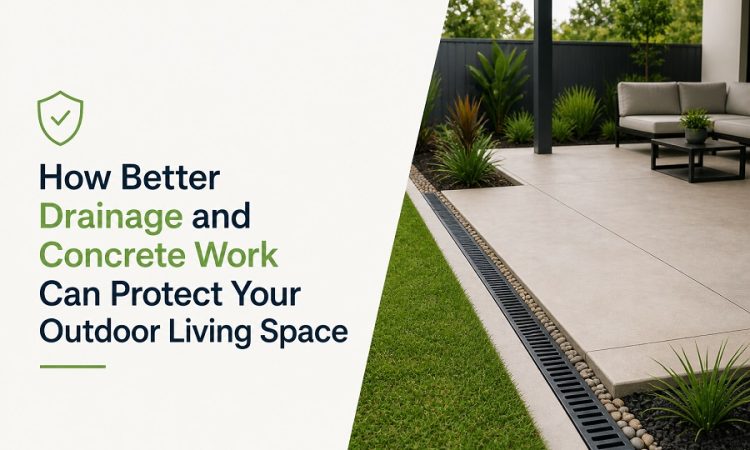
Two of the most important parts of a durable outdoor space are proper drainage and well-installed concrete. When these systems are designed correctly, they can help reduce erosion, prevent standing water, improve access around the home, and create cleaner, more usable outdoor areas.
Why Drainage Matters Around the Home
Many homeowners notice drainage problems only after water begins pooling in the yard, washing out mulch beds, softening soil near the foundation, or creating muddy areas around patios and walkways. While these issues may seem minor at first, poor drainage can become a larger property concern over time.
Water naturally follows the path of least resistance. If your yard is not graded properly or does not have a way to move water away from high-use areas, runoff can collect in low spots. This can lead to soil erosion, damaged landscaping, slippery surfaces, and excess moisture near the home.
Professional drainage solutions may include grading adjustments, French drains, catch basins, dry creek beds, downspout extensions, or other site-specific improvements. The right option depends on the property layout, soil type, slope, and where the water is coming from.
For homeowners in Monroe, South Charlotte, Matthews, Mint Hill, Waxhaw, Ballantyne, and Indian Trail, drainage planning is especially important because North Carolina clay soil can hold water and become compacted. That means drainage problems often require more than a quick surface-level fix.
Concrete Adds Function and Long-Term Value
Concrete is one of the most practical materials for outdoor home improvement projects. Driveways, walkways, patios, pads, and extensions can all improve how a property functions day to day. When installed properly, concrete creates a stable, low-maintenance surface that can stand up to regular use and changing weather conditions.
However, concrete work should never be treated as a one-size-fits-all project. A durable concrete surface depends on preparation, grading, base material, thickness, reinforcement, drainage planning, and proper finishing. If water is allowed to sit on or around concrete, it can contribute to cracking, settling, staining, or premature wear.
That is why concrete and drainage often go hand in hand. A new patio, walkway, or driveway extension should be designed with water flow in mind. The goal is not only to create a clean surface, but also to make sure runoff moves safely away from the home and other important areas of the property.
Outdoor Improvements Should Solve Problems
The best home improvement projects do more than look nice on day one. They solve real problems and make the property easier to maintain. For example, a concrete walkway can reduce muddy foot traffic. A patio can create a more usable outdoor gathering area. A drainage system can protect landscaping from washouts. A properly graded yard can make mowing and maintenance easier.
Homeowners often benefit from looking at the entire outdoor space instead of focusing on one isolated project. If a patio is being installed in a wet area, drainage should be evaluated first. If a driveway is being extended, grading and runoff direction should be considered. If water is collecting near the foundation, landscaping and hardscaping changes should be planned carefully.
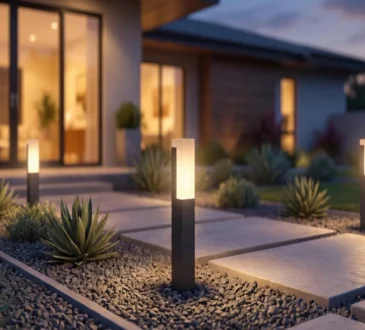
This solution-driven approach is where working with an experienced local outdoor contractor can make a major difference. D & L Landscape Pros helps homeowners improve their properties with landscaping, hardscaping, drainage, concrete, outdoor lighting, and exterior cleaning services designed around real outdoor conditions.
Planning for Long-Term Results
Before starting any outdoor project, homeowners should ask a few key questions:
Will this improvement help water move away from the home?
Will the surface hold up to regular use?
Will this project reduce maintenance problems?
Will it improve both appearance and function?
Will it be installed with local soil and weather conditions in mind?
These questions can help homeowners avoid short-term fixes that fail to address the root cause of outdoor problems. A well-planned project should support the property as a whole, not just cover up an issue temporarily.
Final Thoughts
Outdoor home improvements are most valuable when they combine beauty, function, and protection. Drainage systems help control water before it causes damage, while concrete surfaces create clean, stable, usable areas around the home. Together, they can improve everyday convenience and help protect the long-term condition of the property.
For homeowners dealing with standing water, worn-out walkways, muddy areas, cracked concrete, or underused outdoor space, it may be time to look at the bigger picture. With the right planning and a contractor who understands local conditions, your yard can become more functional, attractive, and easier to maintain for years to come.