The Modified 25% Rule: How Roof Age Dictates Whether You Can Legally Repair or Must Fully Replace

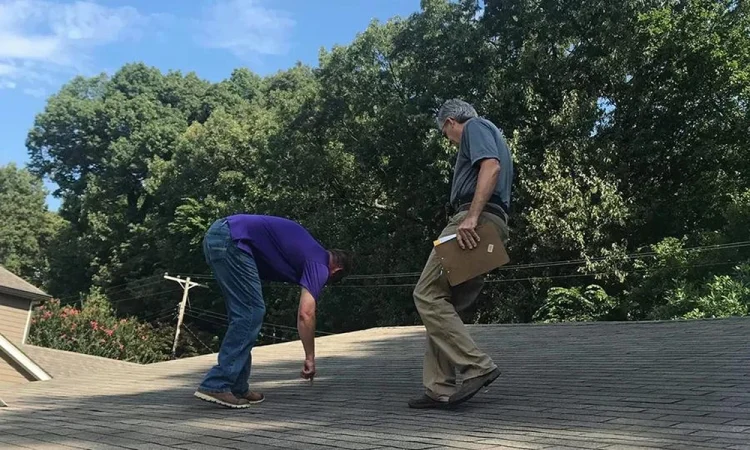
Roof repair decisions are not always based on visible damage alone. In many areas, building codes and insurance guidelines consider roof age and the extent of damage when determining whether repairs are allowed or if full replacement is required. One common framework used in this evaluation is the “Modified 25% Rule.”
What the Modified 25% Rule Means
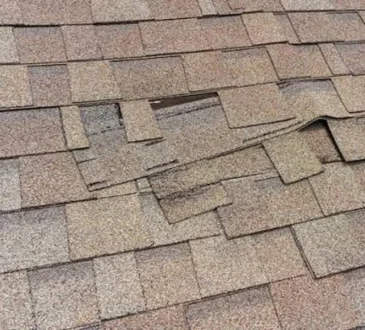
The Modified 25% Rule generally states that if more than a certain percentage of a roof is damaged, often around 25% or more, local regulations or insurance policies may require full replacement instead of partial repair.
This rule is designed to ensure structural consistency and long-term safety.
How Roof Age Impacts the Decision
Roof age plays a major role in determining repair eligibility. Older roofs that are already near the end of their expected lifespan are more likely to require full replacement, even if the damage appears limited.
Repairing an aging roof may only provide short-term relief while leaving underlying deterioration unaddressed.
When Repairs Are Still Allowed
If the roof is relatively new and damage is localized, repairs are typically permitted. In these cases, replacing only the affected sections can restore functionality without the need for a full replacement.
However, matching materials and structural integrity is essential for long-term performance.
When Full Replacement Becomes Necessary
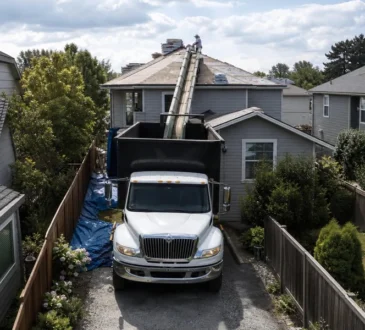
Full replacement is often required when damage exceeds allowable thresholds or when the roof is too old to reliably support repairs. Widespread leaks, structural weakening, or repeated repair history can also trigger this requirement.
Insurance providers may also factor in depreciation and remaining lifespan.
Insurance and Code Compliance Considerations
Local building codes and insurance policies heavily influence how the 25% rule is applied. Some jurisdictions enforce stricter interpretations, especially in storm-prone areas, to ensure roofs meet current safety standards.
This can affect claim outcomes and repair approvals.
Why the Rule Matters for Homeowners
Understanding this guideline helps homeowners avoid unexpected repair denials or out-of-pocket costs. It also provides clarity when deciding whether to invest in patch repairs or plan for full replacement.
Early evaluation can prevent wasted repair expenses.
Final Thoughts
The Modified 25% Rule connects roof age, damage extent, and regulatory standards to determine whether repair or replacement is appropriate. While not always applied uniformly, it plays a significant role in roofing decisions and insurance outcomes. Knowing how it works helps homeowners make more informed, cost-effective choices.
This post was written by a professional at Coastal Brothers Roofing. Coastal Brothers Roofing is a family-owned Clearwater Roofing Company offering expert re-roofing and repair services. Whether you need anew roof Installation in Clearwater, FL, or maintenance, we install premium shingles, tile, metal, and low-slope systems, including products from Tamko and Owens Corning. Our team also provides gutter, soffit, fascia, and emergency tarping. Trusted as one of the best residential roofing companies near you, we deliver durable, high-quality roofing systems built for Florida’s climate.