
Flowers are a meaningful way to express support during times of loss, but many people are unsure about the difference between sympathy flowers and funeral flowers. While they may look similar at a glance, each has a different purpose, destination, and style. Choosing the right type ensures your gesture feels thoughtful, respectful, and appropriate for the moment.
What Are Sympathy Flowers
Sympathy flowers are sent directly to the grieving family to offer comfort during the days and weeks after a loss. They are not part of the formal funeral ceremony. Instead, they provide a gentle presence in the home, conveying care and support long after the service has finished.
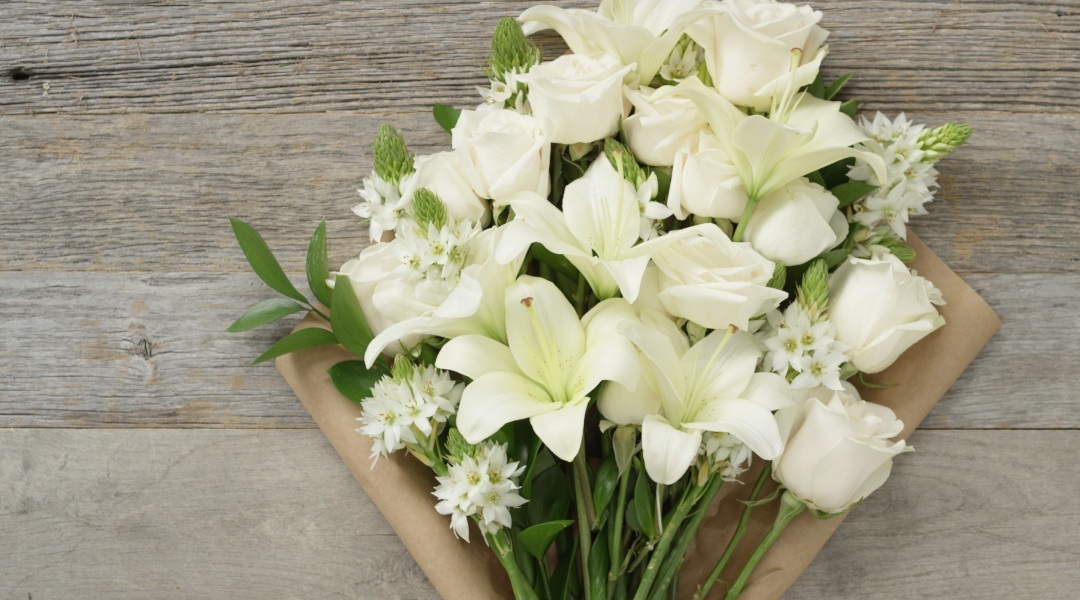
These designs are usually softer and more understated. Vases, small baskets, and simple bouquets are common because they fit naturally within a living space. Pastels, whites, creams, and muted tones help create a calming atmosphere, which is often appreciated during the early stages of grief.
Sympathy flowers delivery is usually made directly to the home because these flowers are meant to comfort the family personally, rather than form part of the public tribute at the service.
What Are Funeral Flowers
Funeral flowers are created specifically for the service or memorial. Their purpose is to honour the person who has passed and contribute to the ceremonial setting. These arrangements are placed at the venue, often near the casket, at the front of the chapel, or along the entrance where guests arrive.
Funeral designs are typically larger or more structured. Common examples include casket sprays, standing sprays, wreaths, crosses, and pedestal arrangements. These pieces are intended to be visible from a distance and set the tone for the service.
The colour palette tends to be more formal. Whites, reds, purples, and deep tones are frequently used, reflecting respect, remembrance, and tradition.
Key Differences Between Sympathy and Funeral Flowers
Although both types of flowers communicate care, they differ in several important ways:
| Aspect | Sympathy Flowers | Funeral Flowers |
| Purpose | Comfort and support for the grieving family | Honour and pay tribute to the deceased |
| Destination | Delivered to the home or private space | Delivered to the funeral venue or chapel |
| Style and Size | Soft, gentle, smaller arrangements | Larger, structured, formal tributes |
| Common Designs | Vases, small baskets, simple bouquets | Casket sprays, standing sprays, wreaths, crosses |
| Colours | Pastels, neutrals, calming tones | Whites, reds, purples, more formal palettes |
| Timing | Sent at any point during the grieving period | Arrive on the day of the service or viewing |
| Message | “I am thinking of you” | “We honour and remember this life” |
When Should Sympathy Flowers Be Sent
There is no strict timeframe for sending sympathy flowers. Many people send them when they first hear of the loss, but they are equally meaningful days or weeks later, especially once the initial busy period has passed. Sympathy flowers are also appropriate on anniversaries or significant dates that may be difficult for the family.
Their flexibility makes them suitable for expressing ongoing support rather than marking a single moment.
When Are Funeral Flowers Sent or Displayed
Funeral flowers are usually arranged to arrive at the venue on the day of the service or viewing. They are placed by the funeral director or church staff before guests enter. After the ceremony, families may take certain arrangements home, donate them, or leave them at the cemetery depending on custom and personal preference.
Why Knowing the Difference Matters
Choosing the correct type of arrangement shows sensitivity to both the family and the occasion. Sending funeral flowers to a home may feel overwhelming, while sending sympathy flowers to a venue may look out of place among formal tributes. Understanding the difference ensures your gesture conveys the right intention and feels supportive rather than confusing.
By selecting an arrangement that matches the moment, you help express compassion, respect, and care in a way that truly supports the people grieving.