
Deck collapses make headlines every few years, and the story is almost always the same. A backyard party, too many people standing near the edge, and a ledger board that finally lets go after years of quiet failure. Nobody notices a bad connection until it’s holding real weight. By then, it’s too late to fix it the easy way.
At Rep House, we talk a lot about the visible parts of a home: finishes, layouts, curb appeal. But the ledger board, the piece of lumber that bolts your deck frame directly to your house, is one of those unglamorous details that decides whether the whole project is actually safe. Get it wrong, and no amount of nice railing or composite decking makes up for it.
Why the Ledger Connection Matters So Much
A deck that’s freestanding, resting entirely on its own posts and footings, doesn’t have this problem. But most residential decks are attached decks, meaning one entire side of the structure hangs off the house itself. That ledger board is carrying a significant share of the deck’s total load, plus whatever furniture, grills, and people are standing on it.
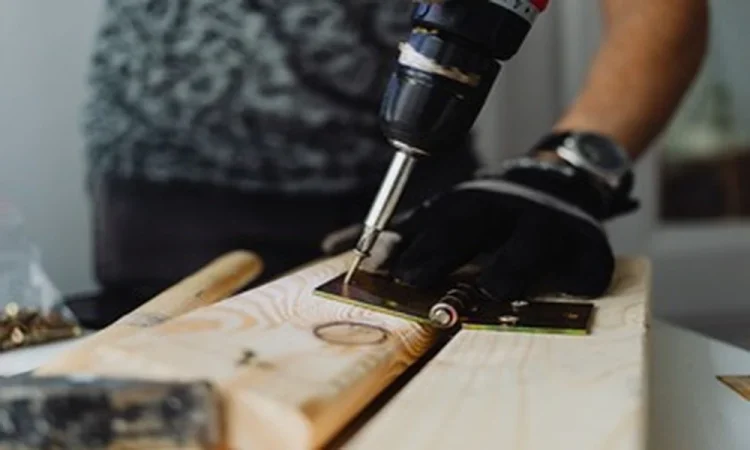
This is exactly the connection where undersized or improperly spaced fasteners cause trouble. Standard deck screws or common nails simply don’t have the shear strength to hold a ledger board against a house rim joist under real-world loads, especially once wood starts to shrink, swell, and cycle through seasons. Building codes in most jurisdictions specifically call for structural lag screws or through-bolts for this connection, and for good reason. Their larger diameter and deeper thread engagement give the joint far more resistance to both pulling away and shearing sideways.
Spacing and Flashing Matter Just as Much
Fastener choice alone won’t save a bad ledger connection. Spacing typically needs to be around 16 inches on-center, staggered in a pattern rather than a single straight line, since a single row concentrates stress along a single plane of the wood. Flashing behind the ledger board is equally important. Without it, water works its way between the ledger and the house siding, rotting the wood from the inside long before anyone notices a problem from the outside.
What Inspectors Actually Look For
If you’ve ever had a deck permit inspected, you’ve probably seen an inspector go straight for the ledger connection before looking at anything else. It’s the single point of failure that causes the most catastrophic accidents, which is why it gets more scrutiny than railing height or stair tread depth. For a more detailed breakdown of code requirements and inspection checklists, Family Handyman has published thorough guides that are worth a read before starting any attached deck project.
Don’t Skip the Boring Part
It’s tempting to spend your planning energy on decking material, color, and layout. Those choices matter, but they’re also the easiest to fix later if you change your mind. The ledger connection isn’t something you get a second chance at once the deck boards are down and the party’s already planned.
That’s the mindset behind most of what we cover at Rep House: do the unglamorous structural work correctly the first time, and the rest of the project gets to be the fun part. A deck built on a solid, properly fastened frame will outlast several rounds of furniture trends and still be standing long after the finish has faded.