
Cities around the world are changing.
As populations grow and lifestyles evolve, the traditional separation between where people live, work, shop, and socialise is becoming less practical. Long commutes, traffic congestion, and fragmented neighbourhoods have encouraged urban planners and developers to rethink how communities are designed.
One of the most significant outcomes of this shift has been the rise of mixed-use communities.
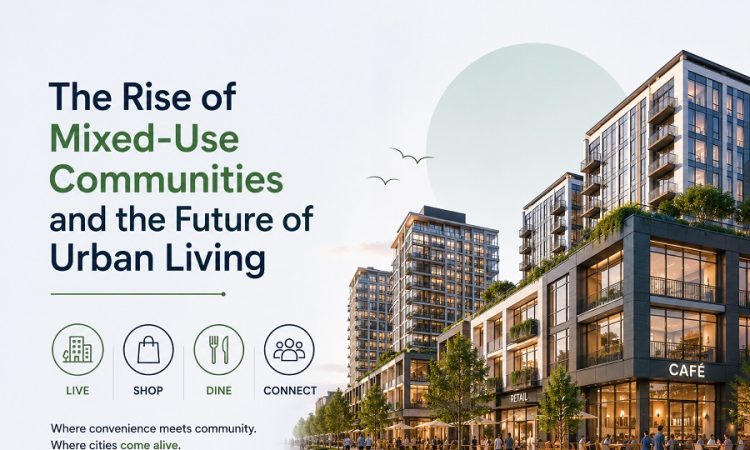
These developments bring together residential housing, retail, dining, public spaces, and transport connections within a single integrated environment. Rather than forcing residents to travel across a city for everyday needs, mixed-use communities aim to provide convenience, accessibility, and a stronger sense of connection.
Across Australia, this model is becoming increasingly popular as buyers seek neighbourhoods that support modern lifestyles while reducing unnecessary travel and improving quality of life.
What Is a Mixed-Use Community?
A mixed-use community combines multiple functions within a single precinct.
Rather than separating residential, commercial, and recreational uses, these developments integrate them into one cohesive environment.
A typical mixed-use community may include:
-
Residential apartments
-
Retail shops
-
Restaurants and cafés
-
Public plazas
-
Parks and open spaces
-
Transport connections
-
Community facilities
The goal is to create a neighbourhood where residents can access many daily necessities within walking distance.
Why Urban Living Is Changing
Several trends are reshaping the way people think about housing and location.
These include:
-
Hybrid work arrangements
-
Growing urban populations
-
Rising transport costs
-
Increased focus on lifestyle
-
Greater awareness of environmental sustainability
As a result, people increasingly value communities that provide convenience and reduce dependence on long daily commutes.
Mixed-use developments align closely with these preferences.
The Benefits of Walkability
Walkability has become one of the most desirable characteristics of modern communities.
Walkable neighbourhoods allow residents to:
-
Access shops more easily
-
Reach public transport quickly
-
Enjoy local dining options
-
Spend more time outdoors
Research consistently shows that walkable communities can contribute to:
-
Improved physical health
-
Stronger social connections
-
Reduced car dependency
-
Higher resident satisfaction
These benefits help explain why walkability is becoming a major focus in urban planning.
Convenience Has Become a Lifestyle Priority
Modern households often face increasingly busy schedules.
Between work commitments, family responsibilities, and social obligations, many people place a premium on convenience.
Communities that reduce travel time and simplify everyday tasks can significantly improve quality of life.
Residents increasingly appreciate the ability to:
-
Shop locally
-
Meet friends nearby
-
Access services easily
-
Walk to transport hubs
These conveniences often become key factors in residential decision-making.
Creating Stronger Community Connections
Traditional suburban development sometimes results in neighbourhoods where residents have limited opportunities for interaction.
Mixed-use communities often encourage stronger community engagement by creating shared spaces where people naturally gather.
Examples include:
-
Public squares
-
Community events
-
Outdoor dining areas
-
Recreational facilities
These environments help foster social interaction and a greater sense of belonging.
Why Transport Connectivity Matters
Effective transport infrastructure remains a critical component of successful urban communities.
Residents increasingly seek locations that provide:
-
Rail access
-
Bus services
-
Cycling infrastructure
-
Walkable connections
Good transport links improve mobility while reducing the need for lengthy car journeys.
Communities that successfully integrate transport with residential living often attract stronger long-term demand.
Housing Demand and Lifestyle Preferences
Modern buyers increasingly prioritise lifestyle alongside housing requirements.
People want communities that support:
-
Work-life balance
-
Convenience
-
Recreation
-
Social interaction
This has contributed to growing demand for integrated urban environments that offer more than housing alone.
Midtown and the Appeal of Integrated Living
The growing interest in midtown macpark reflects broader demand for communities that combine residential living with convenience and connectivity.
Integrated precincts appeal to residents because they reduce the need for travel while providing access to services, amenities, and public spaces within a single neighbourhood environment.
This approach aligns with changing expectations among buyers who increasingly value accessibility and lifestyle integration.
The Role of Rental Demand
Rental demand often follows areas that provide strong transport links, employment access, and lifestyle amenities.
Many renters prioritise:
-
Convenience
-
Connectivity
-
Access to services
The increasing interest in macquarie park apartments for rent reflects how well-located urban communities can attract a diverse range of residents seeking flexible housing options.
Sustainability and Urban Efficiency
Mixed-use communities can also contribute to more sustainable urban development.
By encouraging walking, cycling, and public transport use, they may help reduce:
-
Traffic congestion
-
Vehicle dependence
-
Urban sprawl
These benefits are becoming increasingly important as cities seek more efficient ways to accommodate population growth.
The Future of Urban Communities
As Australian cities continue evolving, integrated developments are likely to play an increasingly important role.
The most successful communities will often be those that combine:
-
Housing
-
Employment access
-
Retail amenities
-
Public spaces
-
Transport infrastructure
This balanced approach can create neighbourhoods that remain attractive over the long term.
Conclusion
The rise of mixed-use communities reflects a broader shift in how people want to live.
Convenience, connectivity, walkability, and lifestyle are becoming increasingly important considerations for both renters and buyers.
The popularity of midtown macpark and growing demand for macquarie park apartments for rent demonstrate how integrated urban communities are meeting the needs of modern residents.
As cities continue to expand, developments that successfully combine housing, transport, amenities, and public spaces are likely to remain among the most desirable places to live.