
Plumbing earns attention only when it fails. That is the whole problem with it.
A pipe weeping behind a wall for months finally announces itself as a stain on the ceiling, and by then the conversation is about drywall and flooring rather than a fitting. Homeowners who avoid that conversation are rarely luckier than everyone else. They just looked earlier.
Treating Maintenance as Prevention
Most plumbing failures give warning long before they become emergencies. Water pressure drifts. A drain slows. A bill climbs for no reason anybody can name.
The trouble is that none of those feels urgent enough to prompt a phone call, so they get absorbed into ordinary life until something finally gives way.
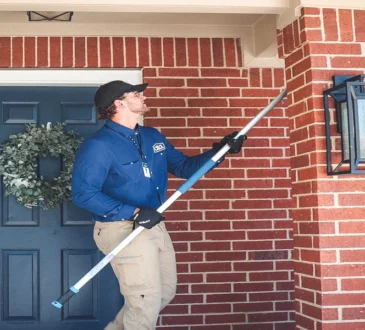
An annual check has a way of catching all of it at once. A plumber walking through a house looks at supply lines, shutoff valves, water pressure, and the condition of any visible pipe, which takes very little time and costs a small fraction of a single water damage claim.
There is a financial detail worth knowing here as well. Many homeowners policies cover sudden damage but exclude damage that developed gradually, which means a leak you failed to catch can easily become a leak you pay for yourself.
Choosing Your Plumber Before You Need One
The worst possible moment to research a plumber is while standing in water.
Ask whether a company is licensed and insured. Request a written estimate that separates labor from materials, and ask why a particular repair is being recommended instead of a replacement. A plumber who explains the reasoning plainly is usually the one worth keeping.
Comparison resources make that easier. Sites such as Best in Tulsa, which ranks and reviews local plumbing companies on credentials, response time, service range, and warranty coverage, let homeowners narrow the field calmly instead of calling whoever picks up first in the middle of an emergency.
Save the number once you have chosen someone. That small piece of preparation is most of what separates a manageable evening from a miserable one.
Checking the Water Heater Each Year
The water heater does more work than anything else in the system and receives the least attention for it.
Sediment settles at the bottom of the tank over time, especially in areas with hard water. That layer forces the burner to heat through it, wasting energy and shortening the life of the tank. Flushing it once a year is straightforward and makes a genuine difference.
The rest of the annual routine is quick. Testing the temperature and pressure relief valve confirms the safety mechanism still works, and inspecting the anode rod tells you whether the tank is being protected or quietly corroding from the inside.
Rumbling sounds, discolored water, longer recovery between showers, and any moisture around the base are the signals worth acting on rather than filing away for later.
Watching for the Leaks You Cannot See
Visible drips are the easy ones. The expensive leaks hide.
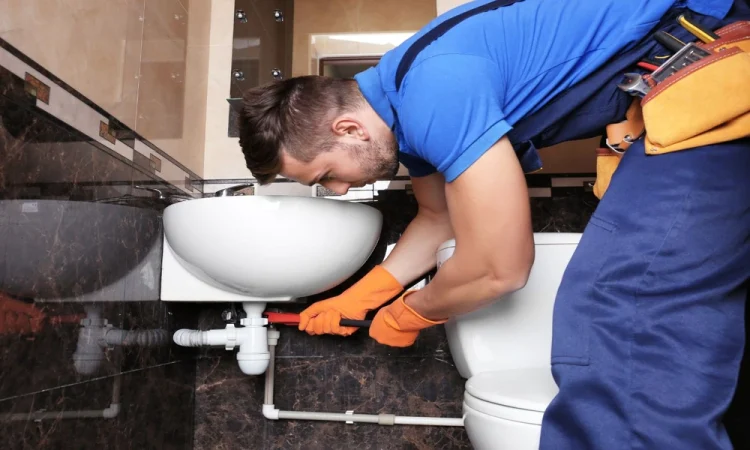
A running toilet wastes an enormous volume of water almost silently, and the flapper causing it costs very little to replace. Connections under a sink weep slowly and rot the cabinet floor before anyone thinks to open the door. Slab leaks tend to show up as a warm patch on the floor or an unexplained jump in the bill.
There is a simple test for all of it. Shut off every fixture in the house, then go look at the water meter. If it is still turning, water is going somewhere it should not be going.
Keeping Drains and Sewer Lines Clear
Grease is the main offender in any kitchen line. It goes down as a liquid, sets as a solid, and then collects everything that follows it.
Chemical drain openers are worth avoiding as a regular habit. They can damage older pipe and often fail to clear the actual obstruction, which usually sits further along the line than the bottle suggests.
Older neighborhoods carry a second problem. Tree roots find sewer lines through small separations at the joints and expand inside them. A camera inspection every few years is the only reliable way to see that coming.
Learn where your main shutoff valve is, and make sure everyone in the household knows as well. It is the cheapest insurance policy in the building.