How Professional Pest Management Handles Kissimmee’s Recurring Pest Pressure

Kissimmee doesn’t get a winter cold enough to slow its pest population down. Average temperatures stay near 75 degrees for most of the year, and Lake Tohopekaliga’s marshy edges keep humidity high across neighborhoods like Buenaventura Lakes. Insects here stay active through months that would put them into dormancy elsewhere in the country. Providers of professional pest management services in this part of Osceola County have to account for that year-round activity. A treatment applied in spring and left untouched until fall gives pests plenty of time to recover.
Why the Climate Never Gives Pests a Reason to Slow Down
A hard freeze normally forces insect colonies into dormancy or kills off a portion of the population outright. Kissimmee rarely provides either, which changes how a few common pests behave compared to homes further north:
- Fire ants often rebuild or relocate mounds soon after heavy rain. Stormwater floods their underground nests, forcing colonies to establish new mounds in lawns and garden beds. A property can look clear one week and show fresh mounds after the next summer storm.
- Ghost ants stay small enough to go unnoticed. These pale, nearly translucent ants nest in wall voids and potted plants. Their size makes early colonies easy to miss in kitchens and bathrooms until the trail becomes obvious.
- American and German cockroaches thrive in Kissimmee’s humid conditions. The humidity that keeps Lake Toho’s shoreline green year-round does the same for roach populations, which thrive in the moisture spots around plumbing and drains.
How Property Turnover Adds Pressure Beyond the Climate
Kissimmee’s stretch of the US-192 tourist corridor sees a consistent cycle of vacation rental guests, creating a level of turnover that sets it apart from most Central Florida communities. A home that sits vacant between bookings doesn’t receive the routine observation that comes with full-time occupancy. Properties that rely on seasonal deep cleans instead of ongoing monthly service often don’t discover pest problems until they’ve had time to establish. Between guest stays, there may be no one checking the property closely enough to catch the early signs.
What a Recurring Service Model Covers That a One-Time Visit Doesn’t
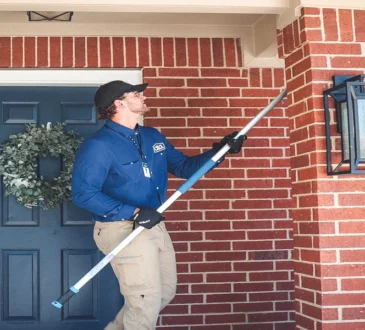
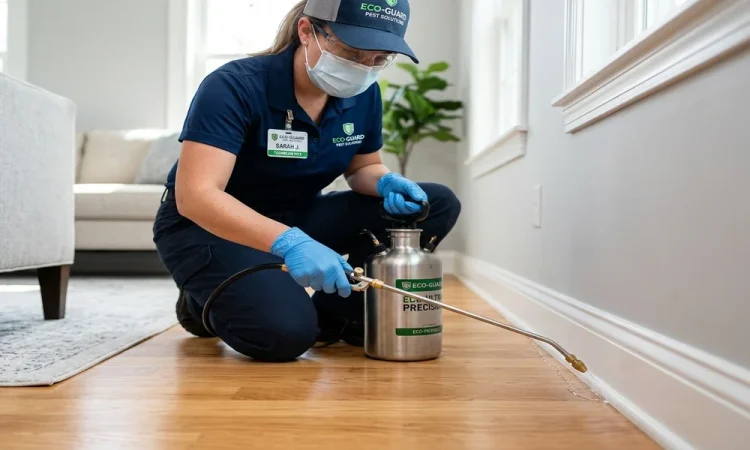
Avata’s Pest Protection Program treats the outside of a home with a six-foot perimeter barrier and reapplies that barrier at every visit. That approach suits a climate where pest activity continues year-round instead of tapering off after winter. Regular visits also give technicians a chance to spot new pest activity before it has much time to spread. For general pest issues, most Kissimmee properties can expect a technician within a day or two of the first call.
Signs a Property’s Pest Pressure Has Outgrown a One-Time Fix
Several patterns tend to appear in properties dealing with Kissimmee’s climate and vacation rental turnover:
- Ant trails reappear along the same baseboard or foundation edge every few weeks, especially after rain, rather than showing up once and staying gone.
- Roach activity persists despite regular cleaning, since the source is often a moisture point like a leaking pipe or a gap around plumbing rather than food debris alone.
- Wasp nests rebuild in the same spot near a pool enclosure or eave each season, particularly through late summer when colonies expand fastest.
- A vacation rental that looked fine during the last visit has ants in the kitchen or roaches in the laundry room after a busy stretch of bookings.
Kissimmee’s warm, lake-fed climate rarely lets pest pressure ease up. A property can look clear one week and show fresh ant trails or roach activity the next, particularly after heavy rain or a busy run of vacation rental bookings. Finding those problems early depends on someone checking the property regularly.