
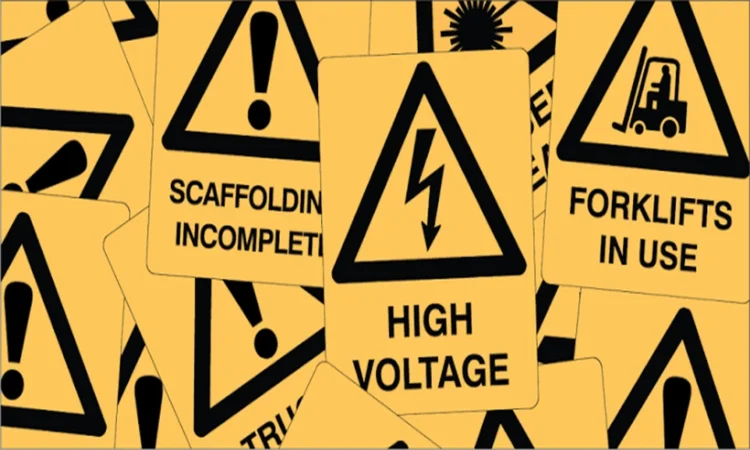
U.S. fire departments responded to an estimated 45,210 home fires a year involving electrical failure or malfunction from 2010 to 2014, according to NFPA’s electrical fires fact sheet. Wiring and related equipment accounted for the great majority of the fires tied to distribution or lighting equipment, and those parts rarely fail without some warning first.
The warning is the useful part. NFPA’s electrical safety tips name frequent breaker trips, a tingling feeling from appliances, warm or discolored outlets, a burning or rubbery smell, flickering lights and sparks as reasons to call a qualified electrician. Those form the baseline signs you need an emergency electrician. Houston adds its own pressures: air conditioning that runs for months, humidity that corrodes connections, and storms that can soak equipment without leaving an obvious mark.
When one of these symptoms shows up at a home or business, a crew that does residential and commercial troubleshooting every day can trace the cause quickly. Thor Enterprises provides Emergency Service in Houston along with panel replacement, underground service lines and EV charging. Its site lists a phone line, (713) 253-6159, and a free estimate form for describing what you are seeing.
1. A Burning or Rubbery Smell
What you notice. A hot plastic or rubbery odor near the panel, an outlet or a device, with no obvious source like cooking.
What it can mean. Overheating insulation from a loose connection, an overloaded circuit or a failing breaker.
What to do. Treat it as urgent. Stay away from the panel and call an electrician right away. If you see smoke or flames, leave and call 911.
2. Warm, Discolored or Sparking Outlets
What you notice. Brown or gray scorch marks, a faceplate that feels warm, crackling sounds, or a visible spark when something is plugged in.
What it can mean. Loose terminals and worn receptacles create resistance heat, and arcing can ignite materials behind the wall.
Houston angle. Humid garages and exterior outlets corrode faster, so oxidized connections tend to fail there first. Stop using the outlet and have it inspected.
3. Breakers That Trip Repeatedly
What you notice. The same breaker trips several times a week, or trips the moment it is switched back on.
What it can mean. An overloaded circuit, a short, a ground fault or a worn breaker. Repeated resetting only hides the cause, so leave the diagnosis to a professional.
Houston angle. An air conditioner circuit that trips on a 100-degree afternoon points to a failing component or connection, not a nuisance.
4. Lights That Dim When Equipment Starts
What you notice. Lights sag when the AC compressor kicks in, or flicker in several rooms at once.
What it can mean. One flickering bulb is just a bulb. Widespread flicker suggests a loose connection at the panel or service, or a system too small for the load.
Houston angle. Summer loads are heavy and continuous, and adding an EV charger to an undersized panel can turn a minor flicker into a real hazard.
5. A Tingle From Appliances or Fixtures
What you notice. A buzzing or tingling feeling when you touch an appliance, faucet or metal fixture.
What it can mean. A ground fault, damaged grounding or leakage current. NFPA lists a tingling sensation among the reasons to call an electrician.
Houston angle. Damp utility rooms, wet hands and outdoor equipment make shock paths worse. Avoid contact with the item and call.
6. Water Near the Panel, Meter Base or Outlets
What you notice. Water stains, rust or damp insulation after a roof leak, heavy rain or street flooding.
What it can mean. Moisture causes corrosion and shorts, and soaked equipment can fail days later, after it looks dry.
Houston angle. Gulf Coast storms make this common. Flood-exposed equipment needs inspection before it is trusted again, so keep clear and call.
7. Partial Power or Buzzing While Neighbors Have Electricity
What you notice. Half the outlets are dead, some lights run brighter than others, or the meter or panel hums while the rest of the street is lit.
What it can mean. A failed service conductor, a bad connection at the meter or a damaged underground service line. If the utility shows no outage on your street, the fault is likely on the property side.
Houston angle. Buried cable faults give no visible clue, and heavy rain can expose weak spots that sat unnoticed for years.
Checking Who Responds
Texas requires electricians to hold licenses through the Texas Department of Licensing and Regulation. A master electrician must have held a journeyman license for at least two years and completed 12,000 hours of supervised on-the-job training. Ask for the license number and look it up before work begins, even on an urgent call.