
A Central Texas roof takes two kinds of punishment each year. From June through September, afternoon sun pushes dark shingle surfaces far above the air temperature. From March through June, spring storms move along the I-35 corridor with hail and straight-line winds. Heat ages roofing materials slowly, and storms test them all at once. Most leaks start where those two forces find a weak spot.
That weak spot is rarely the shingle you can see from the driveway. A pitched roof is a stack of layers, and each one has its own job. Water reaches the ceiling only after it gets past several of them. The layer that failed decides the fix. A cracked pipe boot can be repaired in an afternoon, while rotted decking under a valley is a much bigger job.
This guide works from the bottom up: the deck, the underlayment, the flashing, the surface material, and the ventilation underneath them. It then follows roof water to where it ends up, inside sheetrock and around aging windows.
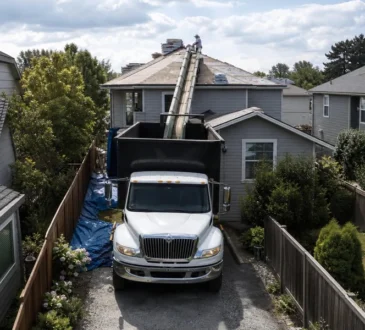
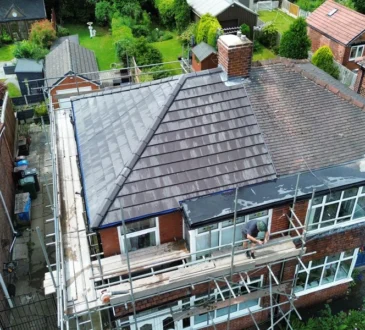
For homeowners in San Marcos, Kyle, Buda, New Braunfels and Lockhart, 4M Roofing handles roof repair and full replacement as well as window repair and replacement. One crew can trace a leak from the ridge all the way down to the window head. On replacements, the family-run team strips old felt down to bare decking, so loose or rotted plywood gets fixed before new synthetic underlayment and architectural shingles go on. They also work directly with insurance adjusters on storm claims. If spring hail or a summer of 100-degree days has you wondering what is happening under your shingles, request a free roof inspection and get a clear look at every layer.
The Deck Carries Everything Else
Plywood or OSB sheathing is nailed to the rafters or trusses. It gives every other layer something solid to fasten into.
How it wears down:
- A slow, long-running leak swells OSB edges and delaminates plywood, which leaves soft spots.
- Daily heat cycling expands and contracts the panels, and over many seasons this loosens fasteners.
- Hail rarely damages decking directly, but it opens the paths that let water reach it.
A few rotten sheets can be cut out and replaced during a repair. Sagging between rafters across several slopes usually means the deck is a symptom of a roof that needs to come off.
Underlayment Is the Backup Plan
Underlayment sits between the deck and the shingles. It catches water that blows under lifted tabs during wind-driven rain. Older roofs use asphalt-saturated felt. Most new installs use synthetic sheets that resist tearing and wrinkling.
Years of attic heat dry felt out until it turns brittle and cracks. Underlayment is almost never repaired on its own, because the shingles above it have to come off first. A failed underlayment layer is effectively a replacement decision. Laying new felt over old felt also skips any look at the deck beneath.
Flashing Is Where Most Leaks Begin
Flashing is the metal or rubber that seals every transition on a roof: chimneys, walls, valleys, skylights, edges and plumbing vents. Shingles shed water across open planes, and flashing covers every spot where that plane is interrupted.
Common failure points include:
- Neoprene pipe boot collars that crack after years of UV exposure
- Step flashing along walls that was reused from an older roof
- Missing kickout flashing where a roof edge ends against a wall
- Counterflashing sealant that shrinks and pulls away in summer heat
Flashing repairs are usually local and affordable, so on a younger roof this is the first place to look for a leak. Replacement makes more sense when the flashing is tied into shingles that are near the end of their life.
Shingles Take the Weather Head-On
Granules shield the asphalt in each shingle from UV, and a sealant strip bonds each course to the one below. The U.S. Department of Energy notes that cool roofs can stay up to 60°F cooler than traditional dark roofs in summer. That gap shows how much heat a standard dark shingle absorbs and passes down to the layers beneath it.
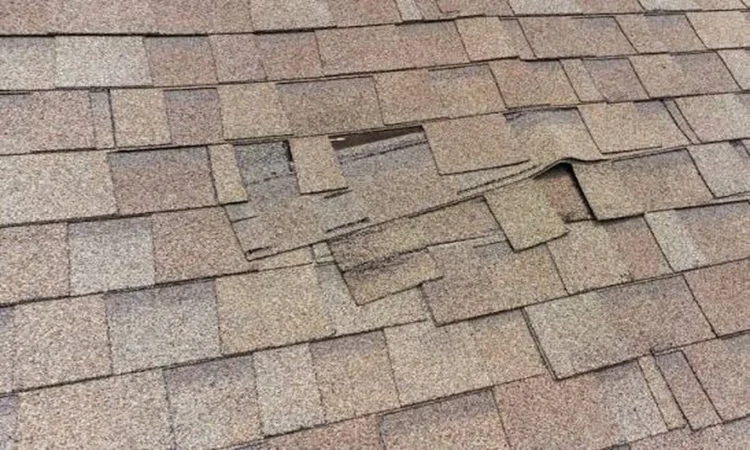
Hail adds damage in sudden bursts. IBHS research on shingle durability found that sealant strength is critical to wind resistance, particularly after hail impact. A peer-reviewed IBHS study found that shingles exposed to weathering and repeated small hail were roughly ten times more vulnerable to a later severe hailstorm.
That second finding matters in Central Texas, where homeowners often shrug off pea-sized hail. Warning signs include granule piles at the downspouts, soft dark bruises, and creased tabs after a windy storm. A handful of damaged shingles can be patched. Bruising or granule loss across whole slopes usually justifies replacement, and often an insurance claim as well.
Ventilation Manages the Heat Underneath
Soffit intake vents and ridge or powered exhaust vents keep air moving through the attic, carrying heat and moisture out. Building science research shows that shingle color affects shingle temperature more than venting does. Ventilation’s real payoffs are a cooler attic, lower cooling bills, and less condensation rotting the deck from below. Blocked soffits, rusted nail tips in the attic, and short ridge vents on hip roofs are the usual problems. Adding vents or a thermostat-controlled attic fan counts as a repair and rarely forces a replacement on its own.
Roof Layers at a Glance
| Roof Layer | What It Does | How It Fails |
|---|---|---|
| Decking | Structural base for every layer above | Rot, delamination and soft spots from long-term moisture |
| Underlayment | Secondary water barrier under the shingles | Felt turns brittle from heat and cracks |
| Flashing | Seals walls, valleys, vents and edges | Cracked boots, failed sealant, missing kickout pieces |
| Shingles | First defense against sun, hail and wind | Granule loss, hail bruising, broken seals, wind creasing |
| Ventilation | Moves heat and moisture out of the attic | Blocked intake, undersized exhaust, condensation |
How Roof Water Turns Into Sheetrock Damage
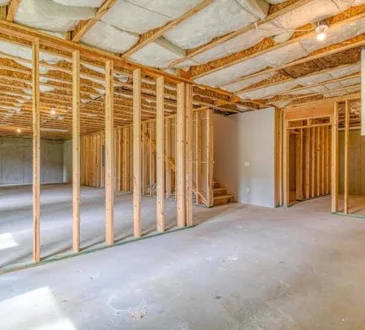
Water that gets past the underlayment rarely drips straight down. It runs along rafters and soaks the insulation before a stain appears, sometimes several feet from the actual breach. By the time a brown ring shows on the ceiling, the gypsum core above it may already be soft. Sagging, bubbling or crumbling panels need to be cut out, because primer over wet drywall hides mold growth instead of stopping it. The roof has to be fixed first, or the new sheetrock will fail the same way.
Why Aging Windows Join the Leak Path
Windows sit downstream of the roof. When kickout or wall flashing is missing, roof runoff sheets down the siding and finds the head of the window below. Windows also have weak points of their own. Caulk shrinks in the sun, head flashing corrodes behind the trim, and heat-warped frames stop sealing against wind-driven rain. A stain under a window can come from either source, so the window and the roofline above it should be inspected together.
A roof fails one layer at a time, and the repair-or-replace decision follows the same logic. Surface damage on a young roof with a sound deck points toward a repair. Bruised shingles, brittle felt and soft decking on an older roof point toward replacement. In a climate where summer heat weakens materials and spring hail finds the weak spots, checking every layer after storm season costs far less than finding the problem through a ceiling stain.