
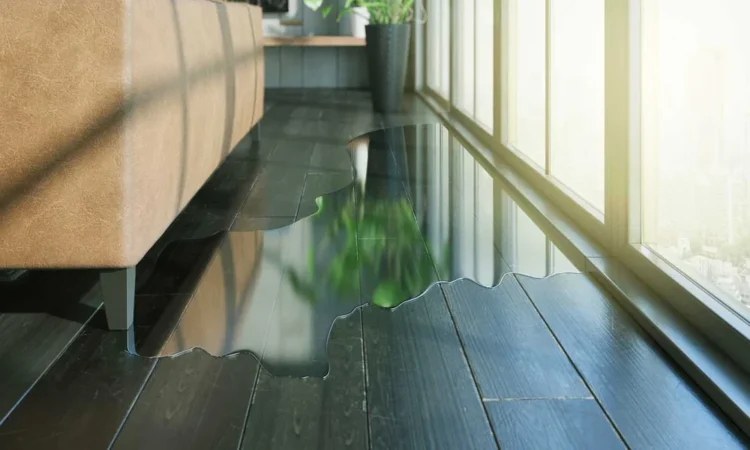
Two houses on the same Redlands street can each wake up to an inch of water across the hallway and end up needing completely different jobs. One gets a few days of fans and dehumidifiers and a fresh coat of paint. The other loses its carpet, its baseboards and the bottom two feet of every wall it touches. The amount of water was the same. What made the difference was where that water came from and how long it sat.
That single question shapes nearly every decision in professional water damage restoration in Redlands, and it is one of the first things a trained technician sorts out on arrival. Padgett’s, the family company that has worked across the Inland Empire for more than 55 years, approaches every call this way as an IICRC certified firm, because the industry standard behind that certification starts by naming the water before anything gets pulled out or dried.
Three Waters That Look Alike
The restoration industry follows a standard known as IICRC S500, and it groups water into three categories based on contamination rather than volume. To the eye, all three can look like an ordinary puddle. To the people deciding what can be saved, they are very different problems.
Category 1 is clean water. It comes from a clean source and poses no real threat to health on contact. Category 2, often called gray water, carries enough chemical or biological contamination to make people sick if they touch or swallow it. Category 3, known as black water, carries sewage, soil or other material likely to cause illness, and anything it soaks into porous materials is usually treated as unsalvageable. The Alabama Cooperative Extension System explains all three plainly and notes that gray and black water both call for protective gear and full sanitizing.
Where Clean Water Starts in a Redlands Home
Most household water damage begins as Category 1, and local homes have a few familiar ways of producing it.
- Supply lines under sinks and toilets wear out quietly. Braided hoses and plastic connectors fail with age, and a burst line can release several gallons a minute until someone shuts the valve.
- Water heaters take a beating from the hard water common across the Inland Empire, which speeds up sediment buildup, and an aging tank often fails at the bottom seam without warning.
- Slab leaks are the slow ones. Many ranch homes in newer tracts sit on concrete slabs with copper lines running beneath them. A pinhole leak there can wet flooring and wall bottoms for weeks before anyone sees it.
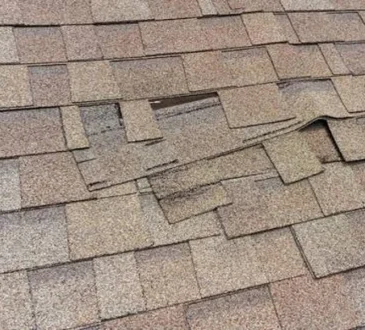
- Roof leaks tend to appear during winter storms. Rain is clean at the source, though it picks up whatever it passes through on the way down.
Because these sources are clean, homeowners sometimes assume the cleanup can wait until the weekend. That assumption is where many small jobs turn into large ones.
Clean Water Has a Short Shelf Life
Category 1 water does not stay clean. Once it settles into carpet padding, drywall paper and wood, it starts dissolving dust, pet dander, cleaning residue and whatever else lives in those materials. Bacteria that were harmless in small numbers begin to multiply. Within roughly 24 to 48 hours, standing clean water is commonly treated as Category 2, and warm indoor temperatures speed that shift along. A broken supply line discovered after a long weekend away can count as gray water by the time anyone opens the front door.
Mold follows a similar clock. Spores already present in every home need only moisture and a food source, and wet drywall paper provides both. This is why restoration crews talk about the first two days as the window that matters most.
Gray Water From Everyday Appliances
Some water arrives already contaminated. Washing machine overflows, dishwasher leaks, toilet bowl overflows that contain urine but no solids, and condensate from cooling equipment all fall into the gray category. Redlands adds one regional source worth knowing. Evaporative coolers, still common on older roofs across the area, hold a reservoir of standing water that collects dust and minerals. When a float valve sticks or a pan rusts through, that water finds its way into attic insulation and ceilings.
Gray water changes the plan. Carpet can sometimes be cleaned and saved, but carpet padding almost always goes. Surfaces are cleaned and then disinfected rather than simply dried, and technicians wear gloves and eye protection throughout.
When It Comes From Below or Outside
Black water is the category nobody wants. In Redlands, it most often shows up in two ways. The first is a sewer backup, frequently caused by roots from the mature trees that line older neighborhoods working their way into aging clay laterals. The second is storm runoff during heavy winter rains, when water flows off the foothills or overwhelms street drainage and pushes in under doors.
Either way, soaked porous materials are treated as lost. Drywall is usually cut away in clean bands above the waterline, insulation comes out, and carpet goes to the landfill. The structure is cleaned, disinfected and only then dried. Occupants with young children, older family members or breathing problems are usually advised to stay elsewhere while this work happens.
How Much Is Wet Matters Too
Category describes how dirty the water is. A separate scale, called class, describes how much material got wet and how hard it will be to dry. Class 1 covers a small area with mostly low porosity surfaces, such as water on tile in one corner of a kitchen. Class 2 involves a whole room with carpet and wall bottoms wicking moisture upward. Class 3 is the heaviest, often coming from above, where ceilings, insulation and walls are all saturated.
Class 4 deserves special mention in this city. It covers materials that hold water tightly and release it slowly, such as hardwood floors, plaster, brick and concrete. The historic homes near downtown and in older districts often have lath and plaster walls and original wood floors, both of which need slower, more controlled drying. Plaster can sometimes be saved if it has stayed attached to the lath, which is usually a better outcome than tearing out walls that are a century old.
Reading the Situation Before the Work Begins
A careful assessment usually covers the source, the category, the class and the time elapsed, and each one adjusts the plan. Moisture meters show how far water has traveled inside walls. Thermal cameras reveal cool, damp patches behind surfaces that look perfectly dry. Daily readings confirm when materials have actually returned to normal, which is the only reliable signal that rebuilding can start.
For homeowners, the most useful habit is simple. Note when the water started, if you know, and what it came from. That small detail helps everyone involved judge whether they are dealing with a weekend of drying or a full tear-out, and it often decides how much of the house can be kept.